Painting the Wave: Surfboard Artistry Explored
Intro
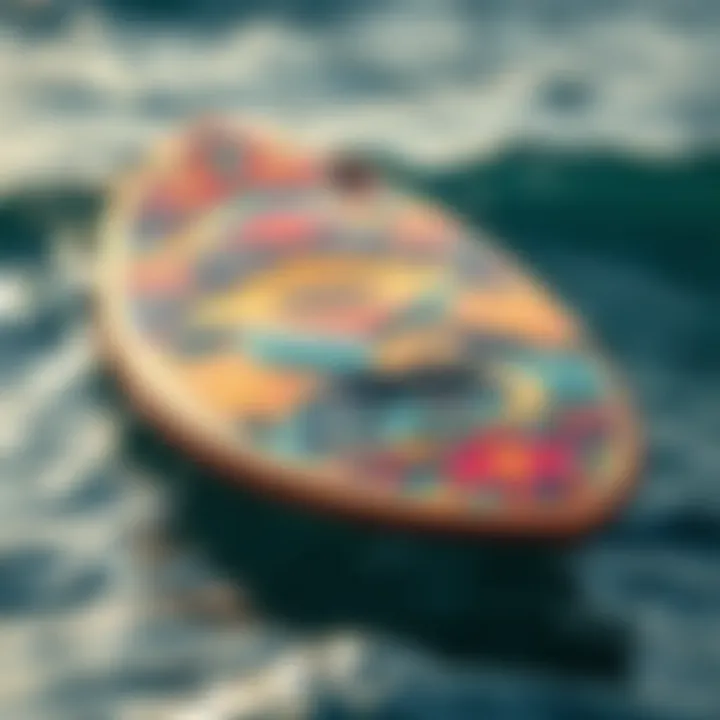
In the world of surfing, the rush of catching a wave is matched only by the thrill of personal expression through surfboard artistry. Surfboards have transcended their mere functionality, evolving into canvases that tell stories about surf culture, the environment, and individual identities. This exploration opens the door to understanding the vibrant transformation of surfboards into works of art.
In the surf community, these painted masterpieces are not just eye-candy; they embody the spirit of the ocean and the stories of the surfers who ride them. From the early days when surfers hand-painted their boards with simple designs to today’s sophisticated artistry involving digital design and sustainable materials, we will unfold the rich tapestry that is surfboard artistry.
By dissecting historical origins, specific techniques, and current trends, we will stage a deep dive into the interplay of creativity and cultural reverence. Whether you’re a surfer looking to decorate your ride, an artist looking to understand surf culture, or a marketer seeking insight into this niche, there’s something to glean from this artistic journey.
Let’s paddle out into the adventure of painting the wave.
Prelude to Surfboard Artistry
The world of surfboard artistry represents a bridge between two vibrant realms: surfing and visual art. At first glance, one might see surfboards merely as functional tools crafted to ride the waves; however, a closer look reveals that these objects serve as canvases for personal expression and cultural storytelling. Surfboard painting is not just decoration; it's about identity, artistic flair, and the history that each board carries, making this exploration essential for anyone engaged in the surfing community or those simply intrigued by the art form.
The Intersection of Surfing and Art
Surfers, much like artists, share a common territory where they engage deeply with their chosen medium. For surfers, this medium is the ocean, while for artists, it's their palette. The intersecting lines of surfing and art are drawn through passion, where movements on water invoke creativity, and colors splashed on boards echo the vibrant life of the sea. Every brushstroke, every splash of paint tells a story—whether it's the thrumming energy of catching a wave or the tranquil stillness of a sunset viewed from the shoreline.
Artists who create surfboard masterpieces often draw inspiration from the very essence of surfing itself. It's a lifestyle, a community, and a way to express one's individuality. This connection transforms surfboards into unique statements of identity, showcasing not just the surfer's personal taste but reflecting the broader culture surrounding surfing. An artistic surfboard can capture the spirit of a swell, embodying the dynamic relationship between sea and sky, while also serving as a conversation starter among those who appreciate both sailing and the sublime.
Cultural Significance of Surfboard Design
The designs seen on surfboards are rich with cultural significance, often reflecting the geographic and cultural diversity of the surfing community. Each artistic design holds a mirror to the environment from which it originates. Think about the vivid, tropical motifs found in Hawaiian surfboards, surfboards adorned with native imagery in Australia, or minimalist designs favored in places like California. Such designs are not merely aesthetic but are steeped in local traditions and narratives, painting a broader picture of humanity's relationship with the surf.
Furthermore, surfboard art carries with it a legacy of rebellion and freedom—it has evolved from simple paint techniques to complex designs that often address deeper themes such as environmental awareness and cultural heritage. This evolution parallels the growth of surfing itself, as surfers have transitioned from fringe enthusiasts battling societal norms to globally recognized athletes. Today’s surfboards can be expressions of advocacy, linking burgeoning environmental movements with artistic expression.
The canvas of a surfboard is a unique blend of dynamic motion and static imagery, making each piece a conversation starter that extends beyond the water.
Historical Overview of Surfboard Painting
The story of surfboard painting is not just about colors splashing on a board; it goes deeper, resonating with the soul of surf culture itself. Understanding the historical overview of surfboard painting gives valuable context to its current trends and techniques. This section highlights the roots of surfboard art, laying the foundation for the intricate designs we see today. The developments in techniques and materials, as well as the cultural influences, make up a rich tapestry that surfers and artists weave together. It's a narrative of creativity that symbolizes more than just surfing—it's about personal identity and communal expression.
Origins of Surfboard Art in the Early Days
Back in the day, surfboards were simple, functional pieces of equipment crafted primarily from wood. However, as the surf culture began to take shape in the early to mid-20th century, so too did the interest in surfboard art. In those nascent years, surfers started to embrace the personalization of their boards, leading to the application of vibrant designs, often reflecting their personal tastes and experiences. Woodworking skills inherited from boatmaking made it easy for the early surfers to engrave their boards, establishing a practice that combined functionality with artistic expression.
The surge in the popularity of surfing in Southern California brought artists and craftsmen together. Personal expression became essential, as each surfer sought to distinguish their boards on the crowded beaches.
Key Influences:
- Hawaiian Culture: Surfboard decoration often reflected Hawaiian traditions, with native patterns and symbols enhancing the boards.
- Pop Culture: As surfing films began to spark interest, the boards from these films became iconic, driving further artistic endeavors.
- DIY Spirit: Many surfers, who were not just riders but also craftsmen, took pride in painting their boards, using available materials, and demonstrating art as an extension of their personality.
Evolution Through the Decades
As the years rolled on, surfboard painting didn't just evolve; it exploded. The late 1960s and early 1970s were pivotal. More surfers turned to commercial craftsmen who began applying more sophisticated techniques to their board designs. Airbrushing techniques emerged, allowing artists to create stunning visuals, from psychedelic swirls to intricate ocean-themed artwork.
During the 1980s and 1990s, surfing became less of a niche sport and more of a commercial phenomenon. This brought about a new wave of artists who embraced surfboard art as a legitimate avenue for artistic expression. The introduction of materials like epoxy allowed for more detailed painting methods and designs that were previously unimaginable.
"The evolution of surfboard painting mirrors the changing tides of surf culture itself, showcasing how creativity flows with the ocean's rhythm."
Highlights of Evolution:
- Materials: Transition from wood to foam and fiberglass broadened the scope of what could be done artistically.
- Art Movements: As surf culture blended with genres like punk and hip-hop, so did the graphics on the boards, making them canvas of cultural statements.
- Global Influences: In the 2000s and beyond, global perspectives started to find their way into surfboard art, with artists from different regions bringing local aesthetics into the mix.
In summary, the historical journey of surfboard painting illustrates more than just an artistic endeavor; it captures a movement that resonates with individual identity while reflecting the rich history of surfing culture itself.
Materials and Techniques in Surfboard Painting
In the vibrant realm of surfboard artistry, the choice of materials and techniques can make or break a piece. The interplay between various paints, application methods, and protective finishes shapes not only the aesthetic but also the functional qualities of the surfboard. Understanding these elements is crucial for artists and enthusiasts alike, as they contribute to the overall experience of both the creator and the surfer.
Types of Paints and Finishes
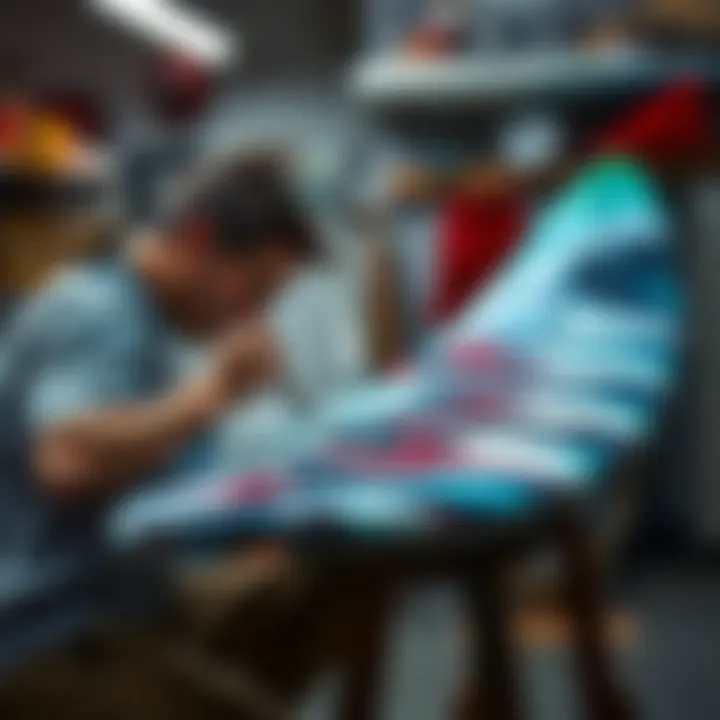
Selecting the right paint is akin to choosing the perfect brush for a canvas; it dictates the final outcome of the artwork. Each paint type carries its own characteristics:
- Acrylic Paint: Renowned for its versatility, acrylics are water-based and dry quickly. They're perfect for vibrant, bold designs. The downside? They can chip if not applied properly.
- Polyurethane Paint: This type is reminiscent of the durability sought in surfboards. Its solid finish stands up to the rigors of the ocean and lasts longer against the sun’s harsh rays.
- Epoxy Inks: Often used for detailed designs, these inks can penetrate deeper into the resin of the board and showcase stunning detail. However, they require proper curing time.
Artists usually finish their work with a coat that enhances durability and provides a protective barrier. A matte, glossy or satin finish can completely alter the appearance and feel of a design. For instance, a glossy finish can make colors pop, while a matte finish adds a subtle elegance.
Application Techniques: Spraying, Brushing, and More
Each surfing artist may have their own preferred technique for applying paint, and these methods significantly influence the end result:
- Spraying: This technique allows for smooth gradients and intricate layering. A spray gun gives that free-flowing feel, perfect for ocean waves and skyscapes. One must master control, as a miscalculation can lead to uneven layers.
- Brushing: The classic method offers more precision. Every stroke tells a story. Brushing is ideal for detailed artwork and lettering. It allows the artist to create texture, giving the design depth.
- Airbrushing: This requires advanced skills but it yields ultra-smooth finishes and intricate designs. Commonly used in high-end custom boards, airbrush techniques record the finer details that spray painting might overlook.
Combining these techniques can produce stunning results. Some artists mix spraying for backgrounds and detailed brushing for focal points, creating a balanced, dynamic composition.
Protecting Art: Sealants and Varnishes
Once the paint has settled, the next critical step is to protect that artistry. Sealants and varnishes act as the armor for surfboard designs, ensuring longevity against the rigors of waves and UV rays. Here are vital considerations:
- Epoxy Sealants: A favorite among professional artists, epoxy sealants provide a hard finish that’s impact-resistant. They preserve the vibrancy of the colors and can add a bit of shine to the overall look.
- Polyurethane Varnish: Known for its toughness, this is ideal for outdoor exposure. It's resistant to water and UV rays, ensuring that colors stay rich and vibrant.
- Marine-grade Coatings: For those looking for the best protection, especially in saltwater, maritime coatings are the gold standard. They guard against the elements and help the artwork withstand wear over time.
To conclude, investing time in the right materials and techniques in surfboard painting ensures that every board is not just a tool for riding the waves, but a canvas that tells a unique story against the backdrop of the ocean. As the surfer rides those waves, they also ride the artistic expression that flows from the heart of the artist.
Design Inspiration and Process
Understanding the design inspiration and process behind surfboard artistry reveals much about the culture and often personal journeys of the artists involved. This aspect not only shapes what we see on boards but also serves as a reflection of the broader surfing community. The meticulous approach to design allows surfers to express their identities, connect with the ocean’s beauty, and showcase personal narratives through vibrant artistry. With surfboards being an extension of the individual, the design becomes a sort of visual diary, blending aesthetics with identity.
Drawing from Nature: Oceanic Themes
Nature is perhaps the most profound source of inspiration for surfboard design. The hues of the ocean, the play of sunlight on the water, and the forms of marine life serve as a canvas for any artist looking to infuse their boards with natural elements. Many artists have a keen eye for the ever-changing mood of the sea, capturing these subtle nuances in their designs.
For instance, an artist might draw upon the rich blues and greens of tropical waters, or the stark, dramatic contrast of a stormy shoreline. Patterns mimicking waves or coral reefs might find their way onto the boards, creating a seamless connection between the surfboard and its natural environment.
- Benefits of Nature-Driven Designs:
- Visual Appeal: Designs inspired by nature often attract attention, turning heads both in the water and on the beach.
- Emotional Connection: Such themes resonate with surfers who feel a deep connection to the ocean.
- Eco-Conscious Message: Nature-themed designs can promote awareness of marine ecosystems and conservation efforts.
Influences from Surf Culture and Music
Surf culture is a vibrant tapestry of influences, where music, lifestyle, and art intertwine. From the rhythmic beats commonly associated with surfing to iconic visuals from surf films, the aesthetic appeal of surfing has shifted through decades. Many artists incorporate elements of popular culture into their work, perhaps taking cues from coastal music scenes or influential surf films.
Acrylics might blend with soundwaves, or bright colors can mimic the pulsing energy of a local music festival. This merging allows for a sense of nostalgia mixed with modern influences, creating designs that are not only visually captivating but also culturally significant.
- Cultural Elements that Impact Design:
- Album Covers: Artists might pull designs from classic surf rock album covers to pay homage to their influences.
- Local Legends: Incorporating symbols or stories from local surfing legends gives a personal touch.
- Community Events: These influences showcase the evolution of art in surf culture and keep traditions alive.
Personal Stories: The Artist’s Journey
Artists often weave their personal experiences into their designs. Each brushstroke might tell a story of overcoming challenges, celebrating victories, or conveying a deep love for the ocean. This narrative approach can make each surfboard unique, with artwork that resonates not just with the artist but also with the surfer who rides it.
Many artists find inspiration during pivotal moments in their lives. A surf trip to an exotic location, a moment of introspection after a significant personal event, or even the impact of a mentor can fuel their creativity. These reflections add layers of meaning to the artwork.
"Each board is a piece of me. It’s not just about the waves; it’s about the journey I’ve taken to get here." – An anonymous surfboard artist
- Elements of Personal Storytelling:
- Influential Life Events: Experiences that shape an artist inform their work.
- Connection with Community: Stories often reflect shared community experiences, resonating with a broader audience.
- Artistic Growth: Artists evolve, and their boards can reflect that growth both in style and technique.
The intersection of nature, culture, and personal narratives in surfboard design offers a window into the deeper meaning behind the artistry. This insight not only elevates the appreciation for surfboard art but also fosters a stronger connection between surfers and the ocean, as they ride waves atop these beautifully crafted boards.
Relevant resources for further exploration include:
Contemporary Trends in Surfboard Art
Surfboard art is undergoing a transformation, reflecting the dynamic nature of surfing culture and technology. These contemporary trends showcase how artists push boundaries, adapting to new tools and audience demands. Understanding these trends is crucial for anyone involved in the surf scene, be it surfers, artists, or marketers looking to connect with this vibrant community.
From Customization to Mass Production
The pendulum of surfboard art has swung from highly personalized designs to mass production. In earlier days, custom boards were a given, with surfers needing a unique touch that mirrored their personalities and surfing styles. Today, while the allure of individuality remains strong, the market has seen an increase in mass-produced designs.
- Advantages of Customization:
- Mass Production Benefits:
- Creates a personal connection between the surfer and their board.
- Reflects individual styles, preferences, and even local cultures.
- Economical for a wider audience.
- Enables quicker access to stylish designs without hefty price tags.
However, many companies now offer hybrid solutions, where customization options are available even within mass production. Surfers can choose colors or patterns, ensuring they don’t lose that unique factor in the sea of boards on the racks.
Digital Art and Surfboard Design
Digital art is making waves in surfboard design, enabling artists to explore new dimensions of creativity. With software tools like Adobe Illustrator and Procreate, artists can manipulate colors, patterns, and textures with unmatched precision. The integration of technology assists artists in both the design stage and production process.
- Key Developments:
- 3D modeling allows for simulations, enabling designers to visualize how a board performs under different conditions before even touching material.
- With the rise of digital printing, intricate designs can be transferred onto surfboards, leading to stunning visuals that were once difficult or impossible to achieve.
This technological shift does come with its challenges. Not every surfer is fond of digital art's sterile precision compared to hand-painted works. However, it opens doors for collaborative projects between tech and traditional artists, ultimately enriching the surfing art landscape.
Eco-Friendly Practices in Surfboard Painting
As awareness of environmental issues grows, so too does the surfboard art world’s responsibility towards sustainability. Artists are increasingly adopting eco-friendly practices, from materials used to the processes they follow in painting.
- Materials:
- Painting Processes:
- Biodegradable resins and non-toxic paints are gaining popularity, reducing the environmental impact underlining their artwork.
- Upcycled materials are also becoming trendy, where old boards are repurposed into art, blending recycling with creativity.
- Techniques that minimize waste and energy usage are being explored.
- Some artists are engaging in pollution clean-up projects, using debris collected from the ocean as inspiration—or even direct material—for their designs.
Adopting these eco-friendly practices lends not only to cleaner oceans but offers artists a chance to reflect on their values visually, making a statement that resonates with eco-conscious surfers and consumers alike.
"Art is fundamentally a dialogue between the artist and nature; our responsibility shifts when nature demands preservation in our creations."
As these trends continue to evolve, it's clear that surfboard art not only serves the aesthetic needs of surfers but also fosters a broader cultural dialogue that merges artistry with identity, sustainability, and technology.
The Role of Surfboard Art in Identity
Surfboard art transcends mere decoration; it represents deeper layers of identity for surfers and artists alike. This connection between art and self-expression is vital in understanding how individuals embrace their passions and the subcultures surrounding surfing. The surge of creativity infused into the design of each surfboard creates a tangible link to personal narratives, values, and social bonds.
Personal Expression through Design
Surfboard art serves as a canvas for personal storytelling. For many surfers, each design reflects their unique experiences, aspirations, and character. This personal touch can be as subtle as a color choice or as intricate as a detailed mural depicting significant life events.
- Surfboards often become extensions of the individual, reflecting their moods and personalities.
- Artists tap into their life journeys, infusing surfboards with themes that resonate with their life experiences, whether it’s overcoming challenges or celebrating joys.
For instance, if an artist has a deep connection with marine life, they may choose vibrant oceanic colors and wildlife imagery, creating a board that speaks to their environmental passions. Similarly, a surfer might select designs that evoke memories of a memorable wave, creating a portable reminder of their surf journey. This level of customization fosters an atmosphere where identity is not just accepted but celebrated.
Community and Artistic Collaboration
The community aspect of surfboard artistry is profoundly important. Collaborations between surfers and artists not only produce unique designs but also cultivate a sense of belonging within the surfing culture. These partnerships often lead to the creation of iconic designs that capture the spirit of specific locales or surfing movements.
- Local surf shops frequently become hubs for artistic collaboration, where artists showcase their talents alongside the latest boards.
- Many events, like surf contests or local art fairs, serve as platforms for these artists to come together, sharing ideas and inspiration. This collaboration fosters innovation in designs, ensuring that surfboard art evolves with the community's changing tastes and values.
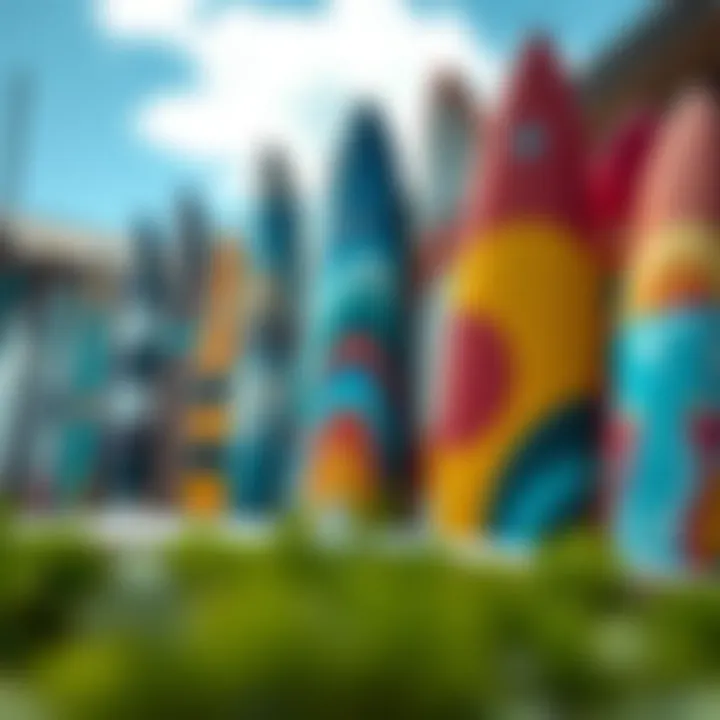
As communities come together to encourage local artists, they strengthen their ties to their cultural roots, appreciating the shared journey of surfing and art. Artists, in turn, become powerful voices for the communities they represent, advocating for environmental awareness or social issues through their work.
"Surfboard artistry is not just about patterns and paint; it's about weaving stories into the fabric of our waves, creating a community one board at a time."
In exploring the realm of identity through surfboard art, we see how deeply intertwined these areas are, enriching not only the surfing experience but also enhancing connections among surfers across the globe.
Global Perspectives on Surfboard Art
The world of surfboard artistry is a vibrant tapestry woven from diverse threads of culture, style, and individual expression. Understanding global perspectives on surfboard art not only broadens our appreciation of this unique craft but also shines a light on the intricate relationships between surfers and their environments. Different regions boast distinct styles, influenced by local culture, history, and the particularities of their coastlines. This section delves into the regional styles and notable artists that embody the global landscape of surfboard artistry.
Exploring these aspects allows for a richer understanding of how surfboard art is not a mere aesthetic addition, but a form of identity, a means of communication, and a celebration of both local heritage and environmental beauty. Such exploration is particularly relevant for surfboarders, marketers, and travel planners, providing them with insights into the varied narratives expressed through surfboard design.
Regional Styles and Influences
Around the globe, the art of surfboarding is painted in a multitude of styles, each echoing the spirit of its region.
- Hawaiian Roots: The birthplace of modern surfing, Hawaii showcases beautifully carved wooden boards often adorned with tribal designs that speak to a connection with the ocean and spirituality.
- Californian Vibrance: California’s surf culture is marked by a mix of psychedelic colors and retro patterns, reminiscent of the 60s and 70s. Artists courageously play with bold hues and pop culture motifs, expressing individuality on the waves.
- Australian Flair: Down under, surfers often turn their boards into canvases marked by intricate geometric designs which reflect the natural landscapes of Australia’s beaches. The emphasis here is on blending in with the surroundings, capturing the essence of both surf and land.
- European Influence: In Europe, particularly in places like Portugal and France, surfboard design incorporates sleek lines and minimalist art, emphasizing functionality while still providing a platform for creativity.
These regional nuances showcase not just different aesthetics but also differing philosophies towards surfing itself. Other factors, such as climate and geography, further shape local styles, making surfboard art an ongoing dialogue with the environment.
Influential Artists Across the Globe
The surfboard art scene is packed with talented artists who have shaped its evolution through their unique visions and styles. These artists contribute significantly to the culture, often merging their personal experiences with traditional practices.
- Drew Brophy: Known for his captivating airbrush techniques, Brophy's designs are synonymous with the vibrant surf culture of California. His approach blends fine art with surfing and has influenced many emerging artists.
- Yago Orozco: This Mexican artist draws inspiration from the vibrant colors of traditional Mexican textiles, creating bold artworks that reflect his culture and heritage. His work resonates with local surfers, enriching the community with both style and meaning.
- Kimberly Gonzalez: Pushing the envelope, Gonzalez merges technology with tradition, employing digital techniques to produce designs that are both innovative and rooted in surf culture. Her influence encourages a new generation to explore the blending of art and technology.
- Jason Akin: An artist from Florida whose ethereal themes often reflect the natural beauty of the ocean, Akin captivates viewers with his widely recognized paintings that talk to both surfers and art lovers.
The Future of Surfboard Painting
As surf culture continues to evolve, so does the opportunity for innovation in surfboard painting. The future of surfboard artistry is crucial, not just for aesthetic appeal but for how it embodies changing attitudes towards environmental sustainability and technological advancements in creative processes. Artists and surfers alike are faced with the challenge of merging traditional techniques with modern demands, which presents a fascinating nexus for exploration.
Technological Innovations
The realm of technological advancements in surfboard painting is growing by leaps and bounds. From computer-aided design (CAD) systems to 3D printing, artists now have tools that can transform creative visions into meticulous reality. For instance, using digital design software allows artists to experiment with patterns and shapes without the risk of wasting materials. Moreover, CNC machines can carve intricate designs into foam blanks with precision that was unthinkable in previous eras.
But it's not just about the designs. Automation has made it possible to apply finishes more uniformly, resulting in a product that's not only visually appealing but also durable. Users of vinyl wraps and hydro-dipping techniques are increasing, giving rise to unique designs that can be produced quickly and at a lower cost.
In addition, programs that allow for augmented reality can let consumers visualize their chosen artwork on their boards before making a purchase. This personal touch is becoming a popular feature, merging the physical and digital worlds in a way that truly resonates with today’s tech-savvy surfers.
Sustainability Challenges and Solutions
With the art of surfboard painting burgeoning, a pressing issue is its environmental impact. Traditional paints and finishes often contain harmful chemicals that can damage ocean ecosystems, and this is where sustainability comes into play.
Many artists are now turning to eco-conscious materials that are more friendly to the environment. Water-based paints, for example, have seen a rise in popularity. They not only boast lower toxicity levels but also achieve vibrant colors that compete with their solvent-based counterparts.
"It’s about riding the wave of creativity while staying aware of our responsibility to the planet," says renowned surfboard artist designed to create sustainable art.
Furthermore, there is a growing movement toward using recycled materials in surfboard construction and painting. This could mean integrating recycled plastics into the surfboard's resin or even using reclaimed wood for future boards. By thinking outside the box, artists and manufacturers are making strides towards reducing waste and reimagining surfboard production.
Finale and Reflection
In summing up this exploration into surfboard artistry, it becomes clear how deeply intertwined the craft of painting surfboards is with the community of surfers as well as broader cultural movements. The artistry involved in these designs does not merely serve as decoration; it stands as a powerful symbol of personal identity and cultural heritage, bridging the gap between art and lifestyle.
The Lasting Impact of Surfboard Art
Surfboard art has long transcended mere aesthetics. It’s about storytelling, a reflection of one’s experiences, and a way of uniting diverse surfing communities. These colorful creations often echo the ocean’s rhythms, capturing essence of joy, freedom, and rebellion against conformity. Artists like Greg Noll or the contemporary work of Margaret River's Darcy Ward have single handedly changed perceptions about surfboard design. They have turned surfboards into canvases that tell stories of adventure and local culture.
Not just for display, these designs can leave impacts that stretch far beyond the waves. The surfboard itself becomes a piece of art that embodies the spirit so many live by. The colors, patterns, and illustrations are infused with meaning, linking different generations together, reminding us of both where we came from and where we’re headed in this exhilarating journey of surfing culture. This lasting impact is felt in beach towns worldwide, where local artists attract surfers and collectors alike.
Embracing the Waves of Creativity
The process of creating a surfboard isn’t just about the final product. It’s about the journey, the experimentation, and the push toward creativity. For many artists, surfboard painting is an avenue to explore new concepts and break the usual molds of creativity. They embrace challenges, using various media and techniques to make their mark on a traditionally functional object. This ongoing dialogue between tradition and experimentation breathes new life into surfboard artistry.
Moreover, the rise of social media platforms like Instagram and TikTok allows these artists to share their work with a global audience. Their creative waves can be felt across the world as surfboard art reaches people who may have never even seen the ocean. Such exposure spurs innovation and a sense of community, uniting artists and surfers alike to continually explore what’s possible in surfboard design.
This rich vein of creativity indicates a bright future for surfboard art, inviting fresh voices into the conversation and ensuring that the culture remains vibrant and dynamic. Surfboard art is not simply a hobby or a profession; it’s an invitation to embrace life's waves, both literally and metaphorically.
"The art that emerges from the ocean mirrors our own journeys, endlessly flowing and shifting."