Essential Surfing Cameras for Capturing Epic Waves

Intro
In the realm of surfing, where the ocean meets adrenaline, having the right camera can transform simple moments into extraordinary memories. Whether you are a budding surfer attempting to catch your very first wave or a seasoned rider showcasing jaw-dropping maneuvers, capturing the essence of your experiences is paramount. This guide delves into the intricate world of surfing cameras, covering not just the technical features but also the profound connection these tools foster between surfers and their environment.
From the unexpected thrill of a well-timed shot to the need for durability against saltwater and sand, selecting a camera goes beyond the megapixels. It’s about understanding how these devices can enhance your interaction with the waves, whether you’re aiming for professional content creation or personal snapshots. We’ll dissect various types of cameras suited to different levels of expertise and illuminate how modern technology is shaping the sports photography landscape.
By the end of this guide, surfers, marketers, and travel planners alike will gain a comprehensive insight that allows them to navigate the camera market with confidence.
Let’s ride the wave into the intricacies of surfing techniques, which is essential for both capturing action shots and understanding the depth of what’s being photographed.
Preface to Surfing Cameras
In the vibrant world of surfing, cameras serve as more than mere gadgets; they're essential companions that help narrate the unique story of each wave and each ride. The relationship between surfers and their cameras can transform a fleeting moment into a lasting memory, captured in the ebb and flow of the ocean. This introduction lays the groundwork for understanding why investing in the right camera is a game-changer for anyone looking to document their adventures on the water.
Surfers, whether seasoned veterans or weekend thrill-seekers, inherently appreciate the beauty of the waves. However, there’s often a struggle between experiencing the thrill and capturing it. That's where the significance of surfing cameras comes in.
Understanding the Role of Cameras in Surfing
Cameras play a pivotal role in the surfing community. They act as the eyes that bear witness to exhilarating rides, challenging conditions, and breathtaking environments.
- Documenting Experiences: For those who live to surf, a camera can immortalize personal milestones—first waves caught, epic wipeouts, or superb swells that just beg to be shared.
- Community Connection: Photos and videos foster connections among surf enthusiasts. Social media platforms, like Instagram and Facebook, are flooded with surfers sharing their triumphs, reigning in likes and comments from friends and followers alike.
- Showcasing Skills: For many surfers, having a well-documented portfolio of their skills is vital. Videos often serve as a resume of sorts, especially when pursuing sponsorships or competitions.
Moreover, understanding the functionalities and capabilities of different cameras empowers surfers to elevate their photography. A camera can be a tool of storytelling, a means to convey the raw essence and spirit of the sport.
The Evolution of Surfing Photography
Surfing photography hasn’t always been a polished art. It has evolved dramatically alongside the sport itself.
In the early days, capturing the action was quite a rough endeavor. Photographers used bulky film cameras which hardly kept pace with the rapid movements on the waves.
Today, it's a different ball game:
- Instant Access: With the rise of digital technology, instant feedback allows surfers to see their shots immediately, enabling them to adjust techniques on the fly.
- Innovative Gear: Companies have developed specialized equipment, such as waterproof housings and remote control functionality, to enhance and facilitate the shooting process without compromising on performance.
- Shooting from the Water: The advancement of buoyancy aids and drones allows photographers to shoot from various perspectives that were once unimaginable, capturing the action from within the surf or from above it.
This journey from simple snapshots to stunning, high-resolution images illustrates how far the art of surfing photography has come. Today’s cameras not only capture the beauty of the ocean but also reflect the complex emotions and visceral experiences associated with riding the waves.
"In the realm of surfing, every wave tells a story, and a good camera captures that tale with artistry and precision."
Understanding this evolution and the integral role of cameras in the sport enables one to navigate the vast choices in the market, ensuring that every surfer can find the right equipment to tell their own story.
Key Features to Consider
When considering a camera for surfing, certain features become paramount. Surfing demands a unique blend of performance characteristics, including resilience, image fidelity, and user convenience. Not all cameras are created equal, and knowing what to prioritize can make or break your photographic experience at sea.
Water Resistance and Durability
As a surfer, facing unpredictable waves is part of the thrill. Similarly, your camera must withstand the elements. Water resistance ensures that the device can handle splashes and even immersion, depending on its rating. Look for models with an IPX certification or specific waterproof housings. This feature is crucial—imagine capturing that perfect wave only to find your lens fogged up from a rogue splash.
Durability goes hand in hand with water resistance. Cameras designed for outdoor use often incorporate robust materials, like polycarbonate or aluminum, which can resist bumps and drops whether you’re in the surf or tripping on the sand. When investing in a camera, consider its resilience against sudden falls, saltwater exposure, and even sand, which can be a nuisance when you’re at the beach.
Image Quality and Resolution
In today’s visually driven world, the quality of the image is vital. Surfing is visually stunning, and it deserves to be captured in its full glory. Cameras with high resolution mean the difference between capturing the intricate details of water droplets and clouds versus a blurry mess. Look for models that offer at least 12MP, as this provides ample detail for both web and print usage.
Beyond sheer megapixels, consider the sensor size and type. Larger sensors typically yield better performance in varying light conditions—an essential factor when you’re shooting during golden hour or low light scenarios. Moreover, understanding the lens options can enhance your shots even further; a fisheye lens might allow for dramatic captures of surfers riding the waves upright, emphasizing the majestic swell behind them.
Battery Life and Storage Capacity
A long day at the beach can mean hours of shooting. Nothing can ruin a day quite like a dead battery or out-of-space memory. Ideally, you’ll want a camera that can handle multiple hours of continuous shooting. Look for models that not only have extended battery life but also allow for quick swaps. Some cameras offer features such as battery-saving modes, which can be especially beneficial when you’re deep into a surf session.
On the storage front, the type of card you use impacts how many high-resolution photos you can capture. Cameras that support SDXC cards maximize your storage capacity, allowing you to take more shots without worrying about running out of space. Keeping an extra card or two on hand can ensure you never miss a crucial moment.
Capturing the essence of surfing isn’t just about getting the shot—it’s about having the right gear to support your artistry.
"Investing in a good camera harnesses the thrill of the sport and elevates your photography game. Don’t cut corners on quality; it shows in your work."
Types of Surfing Cameras
When it comes to capturing the raw essence of surfing, the type of camera you choose plays a pivotal role. Each category of camera possesses its own strengths and weaknesses, catering to different styles of shooting and personal preferences. Understanding these types can empower surfboarders, marketers, and travel planners alike to select the right tool for their aquatic endeavors.
Action Cameras
Action cameras, like the GoPro HERO series, are tailored for those who thrive on adventure. These compact and lightweight devices can be mounted on various surfaces, including helmets and surfboards, enabling users to document thrilling rides from unique perspectives. With their broad field of view and remarkable stabilization technology, action cameras excel at capturing fast-paced action.
Benefits of Action Cameras:
- Portability: Easy to carry around without weighing you down.
- Durability: Built to withstand water, sand, and the occasional tumble.
- Versatility: Suitable for a variety of activities beyond surfing.
In practical terms, surfers can expect their action cameras to withstand the harsh ocean environment without a hitch. You might want to keep an eye on battery life when aggressively surfing, however; long sessions can drain them quickly.
DSLR and Mirrorless Cameras
Moving up in terms of complexity, DSLR (Digital Single-Lens Reflex) and mirrorless cameras serve enthusiasts and professionals who seek enhanced image quality and customizable settings. These cameras offer far superior control over depth of field and lighting conditions, allowing more creative expression in each shot. Brands like Canon's EOS series or Sony's Alpha lines come to mind as popular options.
Considerations for DSLRs and Mirrorless Cameras:
- Size and Weight: Heftier than action cameras, but provide superior features.
- Manual Controls: Offer greater flexibility in adjusting settings, but require more expertise.
- Interchangeable Lenses: A variety of lenses to capture different perspectives.
A skilled photographer armed with a DSLR may capture an entire sequence of a surfer's leap, resulting in breathtaking images that possess stunning detail and clarity. Just remember to invest in a solid waterproof housing, because taking these sophisticated devices near saltwater can be a risky affair.
Smartphone Cameras
Smartphones have evolved remarkably over the past years, bringing high-level photography tools to the palms of our hands. Models like Apple iPhone and Samsung Galaxy now feature powerful cameras equipped with excellent autofocus, multiple lenses, and even editing tools. While they might not rival DSLRs or dedicated action cameras in terms of raw performance, smartphones have one significant advantage—convenience.
Advantages of Smartphone Cameras:
- Instinctive Use: Familiar interface and quick access to social media for sharing.
- Lightweight and Compact: Fits easily in your pocket, ensuring you're always prepared during impromptu surf sessions.
- Connectivity: Instant sharing capabilities allow for real-time posting of captivating moments.
For casual surfers or those new to photography, a smartphone can be an ideal starting point. Although they may struggle in low-light situations or when zooming in on distant waves, the convenience houldnt be understated.
Selecting the right type of surfing camera hinges on understanding what you aim to capture. Whether it's the rugged simplicity of an action camera, the professional demands of a DSLR, or the convenience of a smartphone, each option has its own merits deserving consideration. As you embark on your surf adventure, keep in mind how each camera's unique strengths can complement your vision and style in capturing the waves.
Camera Accessories for Surfing
When it comes to capturing the thrill of surfing, a camera alone often isn't enough. The right camera accessories can make or break your ability to capture stunning images of those wave-riding moments. This section delves into the significance of these add-ons, demonstrating how each component works in harmony with your primary device to elevate your photography.
Mounts and Tripods
Upon entering the world of surf photography, one quickly realizes the value of stabilizing equipment. Mounts and tripods serve as essentials for securing your camera in dynamic environments.
With surf shooting, the challenge goes beyond simple waves. Action is unpredictable, and setups must adapt. A reliable mount allows you to attach your camera to a surfboard, helmet, or even a beach umbrella, giving unique perspectives that daren’t be missed. Whether you're using a GoPro or a DSLR, these mounts can be your best friend.
On the other hand, tripods are particularly useful during calmer conditions or beach setups. Not just any tripod will do when dealing with sand and saltwater; seek out models offering robust legs and water-resistant materials. A tripod gives you the flexibility to capture long exposure shots of waves cascading over rocks or to snap a sunset as surfers ride the last waves of the day.
Lenses and Filters
No discussion about camera accessories is complete without touching on lenses and filters, which play pivotal roles in shaping your surf photography. Depending on what you choose, they can dramatically alter your image's quality and mood.
Lenses: The right lens will depend on the type of shots you’re after. A wide-angle lens captures the grandeur of crashing waves while enabling you to include more of the surf environment in your frame. A telephoto lens, however, allows you to carefully zoom in on a surfer's expression as they carve through the water. Versatility is key, especially in a sport where the subject is constantly moving.
Filters: Using circular polarizers helps reduce glare from the water surface, enhancing colors and contrast in your images. Neutral density filters can extend your exposure times for creative shots, capturing the motion of waves while giving a smooth, silky quality to the water. When paired correctly, lenses and filters can turn ordinary scenes into extraordinary narratives.
Protective Cases
Surfing and cameras might not seem like a match made in heaven at first glance. Yet, understanding the necessity of protective cases can be the linchpin to extending the life of your gear. Water, sand, and salt can wreak havoc on cameras and lenses if not adequately protected.


Investing in waterproof cases is a wise choice, especially for those who intend on capturing shots directly from the water. Many brands offer cases that keep your equipment dry while still allowing full functionality. It’s essential when sharing a wave that you can instantly snap that perfect shot without worrying about your gear. Look for cases that offer sturdy build quality and user-friendly access to buttons, ensuring you won't miss a beat when that perfect wave comes along.
In summary, the right camera accessories enrich the surf photography experience, enabling creativity and enhancing image quality. From mounts that allow unique angles, lenses creating striking visuals, to protective cases keeping your gear safe and sound, every piece plays a vital role. As you dive deeper into this world, consider how these accessories can help you capture the essence of the waves like never before.
Techniques for Capturing Stunning Surf Shots
Capturing the essence of surfing involves more than just pointing and shooting a camera. To truly immortalize the thrill of the ride, one must employ specific techniques that can convert ordinary scenes into breathtaking visuals. This section discusses key strategies that will empower anyone with a camera to present the dynamic nature of surfing effectively. Each of these elements plays a pivotal role in achieving impressive shots, allowing for a visual storytelling that resonates deeply with viewers.
Timing and Positioning
Timing is everything, or so the age-old adage goes. In surfing photography, this rings exceptionally true. The ocean is ever-changing, and so are the surfers navigating its waters. An astute photographer must be observant, waiting for that perfect moment when a surfer captures a wave just right, or when the sunlight pierces through clouds creating a dramatic backdrop.
Positioning is equally critical. Finding the right angle often means being in the right spot at the right time. Whether it's getting low to the water's surface for a dynamic shot of a surfer cutting through a wave or taking a higher vantage point where the horizon meets the sea, your position can dictate the perspective of the action.
Some practical tips include:
- Study the surf: Before shooting, observe how surfers interact with the waves.
- Focus on the focal point: Always keep the surfer in your viewfinder, and use a burst mode for those split-second movements.
- Move with the surf: As the waves build and break, position yourself to align with the action, ensuring you’re ready.
Understanding Light Conditions
Light is a critical element in photography that can make or break an image. Understanding how to work with natural light is essential for capturing stunning surf shots. The best times to photograph are either during sunrise or sunset, often referred to as the golden hour, where soft, warm tones highlight the water and surfer alike.
Outdoor conditions can fluctuate widely, so being adaptable is essential. Here are a few considerations:
- Look for reflections on the water's surface that can add depth and interest to your shots.
- Know the sun's position; if it's too harsh overhead, adjust your angles or seek shadow.
- Experiment with different settings on your camera, such as ISO and shutter speed, to find the right balance in varying lighting.
Capturing Action Shots
Good action shots should provoke emotion, capturing the heart of surfing’s essence. To do this effectively, a photographer needs to master their camera's capabilities, particularly focusing modes and shutter speed adjustments.
When it comes to surf shots, freeze-frame moments can be spectacular. Sports photographers often utilize faster shutter speeds to capture the rapid movements of surfers gliding, jumping, or executing tricks. Having a camera with a continuous shooting mode also helps catch a sequence of movements, providing the opportunity to choose the perfect shot later.
Some tips for action photography include:
- Use continuous autofocus for moving subjects to maintain focus.
- Anticipate the action; knowing when a surfer is about to make a complicated move can prepare you for the shot.
- Don’t shy away from water: sometimes getting wet can provide the most compelling perspectives, creating a more immersive feel.
"Capturing the surfers in their element creates stories that resonate, drawing viewers into the wild rhythm of the sea."
In summary, the techniques discussed here — timing, positioning, understanding light, and capturing action — intertwine to create stunning surf photography. By honing these skills, you can ensure your photos not only recount moments but also evoke the exhilarating spirit of surfing itself.
Post-Processing and Editing Techniques
Post-processing and editing are the quiet heroes in the realm of photography, particularly in capturing the essence of surfing. Even the most perfect shot can benefit immensely from a little digital touch-up. When you step back and realize that the wide swell of a wave or the gleam of sunlight breaking through can be enhanced with the right techniques, it becomes clear why this aspect of photography deserves attention. The challenge lies not just in taking incredible images, but in refining those images to reflect the thrill and beauty of the ocean in a way that resonates with viewers.
Software Tools for Editing
In today’s tech landscape, a plethora of software tools are available for editing photos. Some of the most valuable programs include:
- Adobe Lightroom: A staple for many photographers, this tool offers powerful color correction options along with easy-to-use sliders for exposure and contrast adjustments. It’s like having an art classroom at your fingertips.
- Photoshop: Renowned for its advanced capabilities, Photoshop allows users to manipulate images at a pixel level. Whether you want to clone out an unwanted distraction or fine-tune the sharpness, Photoshop can do it.
- Capture One: This software is gaining traction among professionals who prefer its robust tethering capabilities and exceptional raw processing. It’s not just about taking photos; it’s about how those photos come to life.
These tools are indispensable not just for their editing capabilities, but also for their organizational features, which keep a photographer's workflow smooth.
Enhancing Image Quality
When it comes to enhancing image quality, the adage "you can’t polish a turd" rings true. Thus, it's crucial to start with a strong base, ensuring your images are well-composed and correctly exposed right from the get-go. Once a solid foundation is established, you can delve into techniques that elevate the quality of your surfing shots.
- Adjusting Exposure and Contrast: Often, the raw images can look a bit flat right out of the camera. By balancing exposure and increasing contrast, you can make colors pop and give depth to the water, sand, and sky.
- Color Grading: Different moods can be captured by altering hues. Warmer tones might evoke the nostalgia of a sunset surf session, whereas cooler, vibrant colors can express the energy of a sunny day at the beach.
- Sharpening and Noise Reduction: Surf images often feature a myriad of textures—from the rough surface of a wave to the fine grains of sand. Applying sharpening can enhance these textures, whereas noise reduction can smooth out unpleasing artifacts, particularly in low-light shots.
Creating Compelling Narratives through Editing
Editing isn’t merely about beautifying images; it's a profound storytelling tool. Through careful editing, one can weave narratives that resonate with viewers on an emotional level.
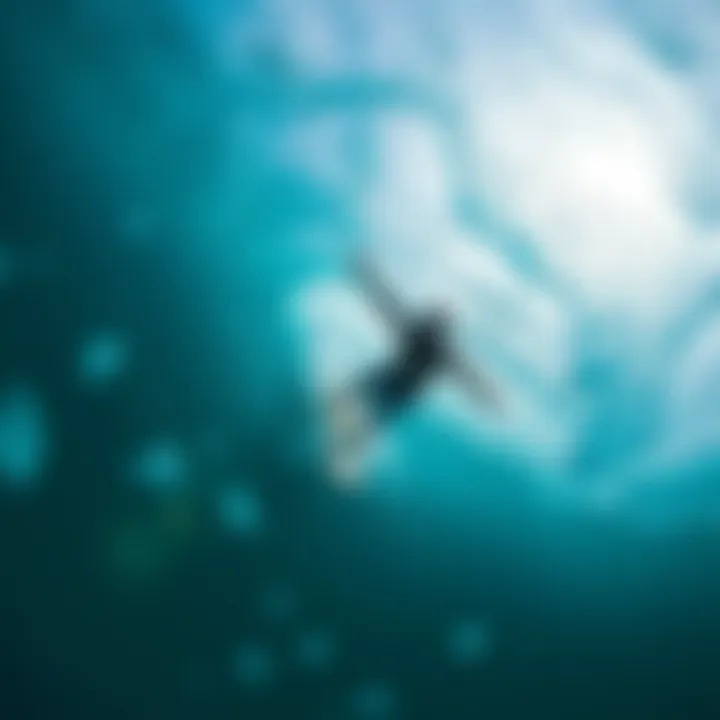
- Cohesion in Series: When showcasing a series of surf shots, it’s essential to maintain a cohesive style. This means consistent color grading and similar cropping styles throughout the images, providing the viewer with a smooth visual experience.
- Highlighting Individual Moments: Editing can emphasize key moments, like a surfer’s triumphant ride or a wipeout, making the story behind the shot clearer. This might involve cropping to focus tightly on the action or even using subtle vignettes to draw the eye toward the subject.
- Crafting a Sequence: Even more advanced editing can be used to create sequences from bursts of images, showcasing the movement and flow of surfing in a continuous narrative arc. This involves selecting peak moments that work together, rather than treating each shot as an isolated image.
"In photography, it’s not just about the clicks. It’s about the journey that unfolds afterward, where the magic often happens."
Legal and Ethical Considerations
The landscape of photography, particularly in the vibrant realm of surfing, is more than just capturing breathtaking shots of waves and surfers. It hinges upon a framework of legal and ethical considerations that not only govern how images are taken but also how they are shared and used. Understanding these elements equips surf photographers—be they novices or seasoned professionals—with the knowledge to navigate potential pitfalls while respecting individual rights and community standards.
Rights and Copyright in Photography
When it comes to photographing surfers and the surrounding environment, it's critical to grasp the nuances of copyright laws. In broad strokes, the person who captures an image typically owns the rights to that photograph. This translates to the ability to sell, distribute, or license the image. However, it’s not as simple as just snapping a picture; there are specific rights that come into play:
- Creative Control: As a photographer, your creative vision is protected under copyright law, which allows you to dictate how your work is used.
- Licensing Images: Often, surf images are shared online or in print, requiring correct licensing agreements. These might include fees for commercial use where others profit from your images.
- Attribution: While copyright grants you ownership, it's also common courtesy to credit photographers. This practice not only fosters community respect but also enhances the visibility of the photographer involved.
Understanding these rights helps ensure that photographers are fairly compensated and recognized for their work, while also allowing surfers to remain aware of the implications of their images being shared.
“Photography is a way of feeling, of touching, of loving. What you have caught on film is captured forever.” – Aaron Siskind
Respecting Privacy and Consent
In the exhilarating moments of catching a wave, it’s easy to overlook the significance of privacy and consent. Yet, these factors act as the bedrock of ethical photography, especially when the subjects are individuals engaging in a personal activity such as surfing. Here are a few points to ponder on this critical subject:
- Personal Space: Surfing happens in a public space, but being photographed without consent can feel intrusive. Respecting a surfer's personal space is paramount; it’s essential to engage with others before snapping their picture.
- Model Releases: If you plan to use images commercially, a model release can protect you legally and ensure the subjects are aware of how their image will be used. Even amateur photographers should consider this practice as a best-case scenario.
- Social Media Considerations: Sharing images on platforms like Facebook or Instagram can blur ethical lines. Consent is crucial, as many surfers may not want their moment on a wave broadcasted without their permission.
Navigating these legal and ethical landscapes is critical not only for personal integrity but for the respect of the surfing community as a whole. Balancing creativity with respect creates a mutually beneficial environment for all involved, enhancing the art of surf photography while safeguarding individual rights.
Future Trends in Surfing Cameras
The world of surfing cameras is constantly evolving, intertwining with technological advances and shifting user expectations. As surf enthusiasts seek to capture the thrill of the waves in ever more innovative ways, understanding these trends is essential. Incorporating technology not only enhances the quality of photos and videos but also enriches the emotional connection between the surfer and the audience. Keeping abreast of these trends can empower riders to elevate their storytelling capabilities.
Integration of AI and Machine Learning
AI is making waves – quite literally! The integration of artificial intelligence and machine learning into cameras is reshaping how surfers document their experiences. With smart image recognition, these systems help in selecting the perfect moments, ensuring that every sunset surf or gnarly barrel is captured flawlessly.
For example, machine learning algorithms can analyze hundreds of photos to identify the best angles and conditions automatically. Imagine having a camera that suggests framing based on previous successful shots or adjusts settings to optimize lighting conditions for dusk surf sessions. This means less time fiddling with adjustments and more time enjoying the ocean.
What’s more? AI-driven editing software is becoming more prevalent as well. Features that allow real-time enhancements and automated adjustments let surfers focus on the action rather than spending hours behind a computer screen.
"As artificial intelligence increasingly steps into the realm of photography, it’s not just about capturing the wave – it’s about capturing the essence of the surf experience."
Emerging Technologies and Wearables
The landscape of surfing cameras is changing with emerging technologies that focus on usability and integration. Wearable devices that function as cameras, like smart goggles, allow surfers to record their rides in a hands-free manner. These cameras can be equipped with motion sensors that initiate recording as soon as you catch a wave, ensuring that no thrilling moment is lost to forgetfulness.
Moreover, drones are becoming popular tools for surf photography. They provide a bird's eye view of the ocean, allowing photographers to capture dynamic shots that were once thought impossible. Imagine a perspective that shows not only the surfer's skill but also the majestic beauty of the ocean landscape surrounding them. With drones getting smaller and easier to operate, ocean lovers can unleash their creativity and push the limits of their storytelling.
In addition to cameras, advancements in smart materials are also key. These materials can help protect cameras from the elements, keeping them dry and intact during wild surf moments.
Key Takeaways:
- AI is enhancing photo capture and editing, allowing for optimized shots with minimal effort.
- Wearable technology and drones offer new perspectives and capturing methodologies.
- Smart materials enhance durability, crucial for surfing environments.
Closure
The role of surfing cameras in documenting not just the action of the waves but the culture that surrounds them can't be overstated. Throughout this guide, we've traversed the landscape of features, types, accessories, techniques, and more to help hone an individual’s skill in capturing surf moments. The impact of these tools extends beyond the mere act of photography; it plays a crucial part in how the surf community shares stories, inspires others, and fosters connections.
The Impact of Surfing Cameras on the Community
Photographers, whether novice or pro, find themselves in a unique situation. They aren't just snapping photos; they are connecting with surfers, their experiences, and the breathtaking natural world. In local surf spots or global competitions, these visual records become part of the community fabric. Photos submitted to social media can spark conversations about techniques or even lead to awareness of environmental issues, establishing a dialogue that resonates with surfers of all levels.
Furthermore, from the lens of a marketer, surfing images can encapsulate the thrill of the sport, conveying emotions that stir a potential surfers’ desire to ride their first wave or push their abilities. A well-captured shot can catch the attention of sponsors and brands keen to connect with the burgeoning surf culture, leading to endorsements that could fuel a young surfer’s career.
"A picture is worth a thousand words, but in the surf community, it can be worth a thousand waves ridden."
Final Thoughts on Capturing the Waves
The essence of surfing reflects in the images captured—from the rush of a wave to the joy of a perfect ride. As this guide has illustrated, both enthusiasts and professionals can use various types of cameras, alongside a growing range of editing tools and techniques, to convey their unique perspectives. It's a merging of technology with artistry that continues to evolve. Therefore, whether you're using a sophisticated DSLR, a sturdy action camera, or simply your smartphone, every capture serves as a building block of your photographic journey in the surf.
Revisiting the theme of respect within the surf community, it's also vital to remain curious, nurturing a passion for continual learning—both in surfing and the art of photography. The waves offer boundless opportunities, and with each shot, practitioners contribute to a larger narrative that celebrates the spirit of adventure and the beauty of the ocean.