Discovering Surfing Classes in New York City


Intro
In the heart of New York City, where the skyline kisses the clouds and the hustle never seems to fade, the ocean offers a different kind of rhythm. Surfing here is not just about riding the waves; it's about being part of a community that thrives on the spirit of adventure. While NYC might conjure images of crowded subways and bustling streets, it also is home to some fascinating surfing opportunities that cater to everyone from curious beginners to seasoned wave-riders.
This guide serves to unravel the essence of surfing in this vibrant urban environment, focusing on the multitude of classes available. Whether you're keen on gliding over the surf for the first time or looking to refine your technique, there's something for everyone in the big city. By examining the unique aspects of surfing in NYC, essential skills you’ll develop, equipment recommendations, and the significance of community, we’ll explore how surfing becomes not just a sport but a way of life amidst the concrete jungle.
Surfing Techniques
Surfing techniques vary widely. It's crucial for anyone stepping onto a board to grasp some fundamental skills before heading out. While the thrill of catching that first wave is almost palpable, there's a method to the madness.
Beginner Tips for Catching Your First Wave
Starting off can feel a bit daunting, but fear not. Here are several tips that may just have you riding your first wave in no time:
- Choose the Right Board: A longer, wider board is often more stable. Soft-top boards can make things easier on beginners.
- Understand the Ocean: Learn about the tides, currents, and the kind of waves suited for learners. Checking resources like National Oceanic and Atmospheric Administration can increase your ocean knowledge.
- Safety First: Always wear a life vest and be aware of others around you. Asking experienced surfers about local conditions never hurts!
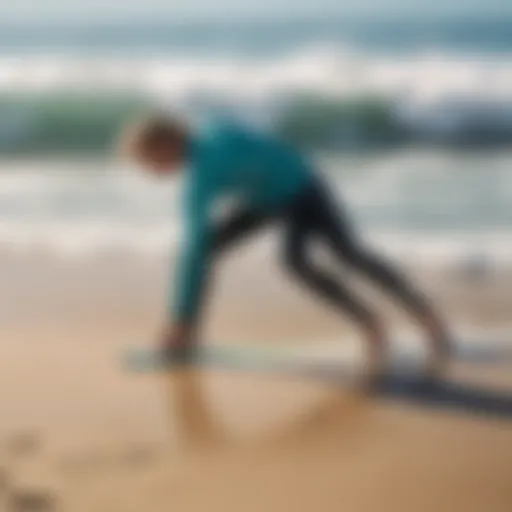
- Practice Popping Up: In shallow water, practice the motion of going from lying down to a standing position on the board.
Once you’re comfortable with these basics, you’ll want to explore more advanced techniques that can take your surfing to the next level.
Advanced Maneuvers for Experienced Surfers
For those who already have some time on the board, NYC offers several classes focusing on fine-tuning advanced maneuvers.
- Carving: Learning how to shift your weight between heel and toe can help you turn more fluidly, creating that slick look on the waves.
- Duck Diving: This technique will allow you to push your board below the wave and emerge on the other side, saving you from getting tossed around.
- 360 Spins: The ultimate show-off move, it requires a good bit of balance and practice but is incredibly rewarding once mastered.
Gear and Equipment Reviews
Understanding your gear is crucial as it can enhance or hinder your performance greatly.
In-Depth Review of the Latest Surfboards
Today's surfboards come in various designs tailored to different types of surfers. Modern boards often feature versatile materials like epoxy resin that makes them lighter and more buoyant.
Some noteworthy brands include:
- Psycho Summer – Known for its all-around performance.
- Firewire – Innovates with eco-friendly materials and designs.
- Channel Islands – Offers a vast range of boards suitable for various levels.
Essential Accessories Every Surfer Should Have
Regardless of skill level, there's a handful of essential accessories that can elevate your surfing experience:
- Leash: This keeps your board tethered to you, so it’s always within reach after you wipe out.
- Wetsuit: Critical for comfort in cooler waters, especially in the Northeast. Go for a quality wetsuit that fits well.
- Wax: This little item can make a world of difference in grip. Always keep a few blocks handy.
In summary, surfing in New York City offers a plethora of opportunities to learn and expand your skills in a unique environment. Embrace the waves and immerse yourself in the community — you'll find that it's much more than just a hobby; it’s a vibrant lifestyle.
Prelims to Surfing in Urban Settings
In a city like New York, where the hustle and bustle defines everyday life, the idea of surfing in an urban environment may seem far-flung. However, this intersection of city life and surfing is not only captivating but also rich with opportunities. For many, surfing in NYC becomes more than just a sport; it evolves into a lifestyle that nurtures community and personal growth.
Surfing offers a unique form of escapism, providing city dwellers a chance to connect with nature, even within the confines of towering skyscrapers. Unlike traditional beach destinations where surf culture thrives, urban surfing introduces a different dynamic. Interested individuals face a myriad of options, ranging from beginner classes to advanced techniques, ensuring tailored learning experiences for all.
Moreover, the benefits of surfing in an urban area stretch beyond the waves. It promotes physical fitness and mental well-being and enhances a sense of belonging among participants. As the vibrant surfing scene in NYC gains traction, it's crucial to explore how these elements intertwine, highlighting the exhilarating blend of waves and city life.
The Intersection of Surfing and City Life
In cities rich with diversity, such as New York, the confluence of urban life and recreational activities like surfing brings a fresh take on both. Surfing spots might not be as picturesque as Hawaii or California, but they offer something uniquely captivating. An example is Rockaway Beach, where locals gather, creating an undeniable surfing culture, all while the city hums around them.
The reality of surfing in urban settings means surfers navigat local challenges such as access to beaches, crowded waters, and unpredictable wave conditions, yet it cultivates resilience and adaptability. The captivating allure of NYC's skyline in the background against the vast waters adds a distinct urban flair to the experience, providing a striking contrast that is seldom found in traditional surfing locales.
Growing Popularity of Surfing in NYC
The surge in interest surrounding surfing in New York City has indeed been noteworthy over the past few years. This rise is partly due to a growing awareness of the sport through social media, local surf competitions, and community events. Many New Yorkers, drawn to the ethos of surfing as a counterbalance to city life, are embracing the ocean as a way to unplug from the fast-paced urban landscape and find tranquillity amidst the chaos.
Another factor contributing to the increase in surfing's popularity is the availability of classes catering to a wide range of skill levels. From eager beginners trying to catch their first wave to established surfers looking to sharpen their skills, many surf schools are sprouting along the coast. These schools not only promote a welcoming atmosphere for novices but also foster a sense of camaraderie among participants. The simple chill of hitting the beach after a hectic week can be a game-changer, boosting mood and morale.
In summary, the integration of surfing into the urban lifestyle of New York represents a growing movement that emphasizes connection both to oneself and to others. As more individuals seek out surfing classes in NYC, they find themselves not only learning to ride waves but also engaging with a community that shares their passion for the water.


Overview of Available Surfing Classes
When it comes to surfing in a bustling metropolis like New York City, one of the primary considerations is the variety of surfing classes available. For a newbie, the prospect of stepping onto a board can be a daunting thought, while seasoned surfers might be keen to refine their skills in a more structured setting. Understanding what classes are offered not only helps individuals find the correct fit for their skill level but also reveals the broader surfing community embedded within the urban landscape.
In New York, surfing is not an isolated pursuit. It encapsulates a blend of sport, lifestyle, and community. The classes range from beginner to advanced, each designed to cater to different stages of skill and confidence. This tailored approach ensures that participants get quality instruction and support from experienced professionals.
Key Benefits:
- Skill Progression: Classes are structured in a way that promotes gradual learning and skill enhancement.
- Personal Development: Each class fosters not just physical capabilities but also personal growth and confidence, pushing students beyond their comfort zones.
- Community Connection: Engaging in classes opens doors to local surf communities, where connections and friendships can blossom, enriching the overall experience.
It’s beneficial to consider the specific elements of each class type. Beginner classes typically focus on foundational skills like paddling and balance, intermediate lessons work on technique improvement, and advanced instruction helps in mastering complex maneuvers. By understanding these distinctions, surfers can better navigate their options to find a class that aligns with their goals.
Beginner Classes: Getting Started
For those standing on the fence about trying surfing, beginner classes in New York City often hold the key to unlocking that first thrilling experience on the water. Generally designed for individuals with little to no surf exposure, these introductory classes provide essential training in a supportive environment. They usually cover the basics, including how to paddle effectively, how to pop up on the board, and shore side warm-up routines.
In many cases, these classes can be conducted in small groups or even one-on-one, providing ample opportunity for personalized attention. Given the unique conditions of New York’s coastal areas, instructors also emphasize ocean safety and understanding local surf conditions. This balance of instruction and practice ensures newbies feel more comfortable the first time they catch a wave.
What to Expect:
- Foundational Skills: Learning the basics of paddling and positioning.
- Safety Guidelines: Understanding currents, tide patterns, and how to fall safely.
- Equipment Familiarity: Getting acquainted with various surfboards and wetsuits, ensuring that participants use properly fitted gear.
"Starting to surf is like learning to ride a bike; once you get it, you never forget."
Intermediate Lessons: Refining Your Skills
Once you’ve grasped the fundamental mechanics of surfing, it’s time to amplify your technique with intermediate lessons. These classes cater to surfers who are already comfortable on the board but want to enhance their skills further. Reflections of improvement begin with a deft focus on wave selection, positioning in the water, and strategies for riding different types of waves.
Instructors often introduce new maneuvers during these sessions, aiming to refine paddling techniques and make turns more fluid. Participants can expect to engage with peers who are at a similar skill level, allowing for a supportive atmosphere where learning is a shared experience.
Key Areas of Focus:
- Wave Dynamics: Understanding how to read waves to pick ideal moments for catching them.
- Technique Development: Fine-tuning paddling efficiency, turns, and balance to boost confidence.
- Peer Interaction: Learning from others can teach valuable lessons and reinforce skills, enhancing overall performance.
Advanced Instruction: Mastering Techniques
For surfers who have progressed beyond the intermediate stage, advanced instruction is where they can tackle the complexities of surf artistry. These classes are often led by top instructors who have years of experience navigating the waves. Here, students work on fine-tuning their skills, focusing on intricate techniques such as aerial maneuvers, advanced turns, and wave position dynamics.
Participants are often encouraged to capture their surfing sessions on video to analyze techniques in real time, allowing for constructive feedback from instructors. This method reinforces learning through observation, empowering surfers to critically assess their performance and further enhance their skills.
Highlights of Advanced Classes:
- Technique Mastery: Emphasis on fine details and advanced maneuvers.
- Video Analysis: Using recorded sessions to pinpoint areas for improvement.
- Personalized Coaching: Tailored instruction that focuses on the unique goals of each participant.
By immersing oneself in advanced classes, surfers can expect not just to learn but to thrive, fully embracing the exhilarating challenge of mastering the waves in New York City.
Choosing the Right Surfing Class
Choosing the right surfing class in New York City is no small feat, but it can make all the difference in refining your skills and enjoying the thrill of riding waves. Joining a class suited to your experience level not only boosts your confidence but lays a solid foundation for progression. Given the chaotic nature of city life and the varying wave conditions, a well-chosen class truly integrates surfing into your daily rhythm. In a place where the ocean meets the urban landscape, engaging with the right program ensures you’re making the most of both worlds.
Evaluating Class Size and Structure
When selecting a surfing class, class size and structure hold significant weight. This factor influences the amount of personal attention each participant receives. In smaller classes, which ideally have a 1:4 instructor-to-student ratio, surfers often find a more personalized learning experience. You're less likely to get lost in the crowd and can receive tailored feedback, which is crucial, especially for beginners learning the ropes.
On the other hand, larger classes can foster a sense of community but may dilute the quality of instruction. It’s essential to assess how the school conducts its classes. Does the structure prioritize safety and skill development? For example: If a school emphasizes quick rotation in the water rather than nurturing an environment for mastering techniques, it might end up being counterproductive. Take a moment to survey testimonials from former students to gauge how well they engaged with the class size and structure.
Instructor Credentials and Experience
The credentials and experience of instructors play a vital role in the quality of surf education. Qualified instructors often hold certifications in lifeguarding and first aid, which can be crucial when navigating unpredictable waters. You should inquire about their backgrounds—how long have they been surfing, and what sort of teaching experience do they have? A good mix of local and international surfing experience can provide students with valuable insights.
Aside from their qualifications, the teaching style of instructors can vary widely. Some might focus strictly on skills, while others incorporate oceanography and surf etiquette into their lessons. The best instructors can not only demonstrate techniques but also motivate and inspire, valuing the art of teaching just as much as their surfing prowess.
In summing it up, take your time and don’t rush into a class. Reflect on what atmosphere you thrive in and how much support you think you need with instruction. Finding that sweet spot will lead to a more fruitful surf journey.
The right education in surfing is just as crucial as the waves themselves—choosing wisely will set the stage for a lifelong passion.


Key Skills Taught in Surfing Classes
Diving into the ocean’s waves is more than just riding a surfboard; it’s about acquiring skills that prepare you for the thrill and the unpredictability of the sea. Surfing classes in New York City focus on key skills that ensure participants not only have fun but also stay safe while navigating the waters. Each skill, from paddling methods to understanding the nuances of wave dynamics, equips aspiring surfers with knowledge that is vital in urban surfing environments. Let’s explore the cornerstones of what you’ll learn in these classes.
Paddling Techniques
Paddling is the backbone of surfing, akin to the foundation of a sturdy building. Good paddling techniques get you into position to catch waves effectively. In NYC, where surf spots can be crowded, mastering your paddling can give you the edge. Classes usually emphasize strong, efficient strokes to conserve energy while moving out past the breaking waves.
When you're out in the water, every stroke counts. Classes teach you to keep your body low and aligned, using your torso to power through the water rather than just your arms. It’s not just about strength; it’s about technique. In some classes, you might practice on land first—this lets you get comfortable with the motion before hitting the waves. A good paddler can navigate busy waters, dodge incoming surfers, and position themselves ideally for that perfect wave.
Understanding Waves and Surf Conditions
Another crucial element of surfing is knowing how to read the waves and surf conditions. Without this knowledge, catching waves can be a game of chance, and that's not what you want when you are out to enjoy your time in the water. During lessons, instructors explain wave formation, tides, and how wind affects surf.
By understanding wave patterns, you gain the ability to anticipate which waves will be suitable for riding and when conditions may become dangerous. For instance, recognizing a set of waves and knowing when to paddle can mean the difference between a thrilling ride and wiping out.
The more informed you are about ocean dynamics, the more confident you become as a surfer.
Safety Protocols and Ocean Awareness
Safety is paramount in surfing, especially in a bustling area like NYC, where many people might not necessarily know the ocean’s rules. Classes address this by instilling the importance of safety protocols and ocean awareness. You learn about rip currents, the behavior of other surfers, and the local regulations that can impact your surfing experience.
The ocean is unpredictable, and understanding how to respect nature while enjoying it is integral. You’d learn things like:
- How to identify hazards in the water.
- The best practices for communicating with fellow surfers.
- What to do in case of an emergency, like a wipeout or an encounter with marine wildlife.
"The ocean is a living entity, and by respecting its power and understanding its nuances, you become a more skilled and safer surfer."
When it comes to the essentials taught in NYC surfing classes, it’s clear that every skill matters. You’re not just getting on a board; you’re getting a full package that prepares you for the joys and challenges of surfing in an urban environment. By mastering these key aspects, you set yourself on a path not just to surf, but to truly live the surf lifestyle.
Essential Gear for Surfing Classes
When embarking on your surfing journey in New York City, ensuring you have the right equipment is as crucial as mastering the waves. In the bustling city, where every moment counts, being well-prepared can elevate your experience from just surviving those rolling tides to genuinely enjoying the thrill of surfing. Understanding essential gear not only enhances your performance but also ensures your safety and comfort.
Surfboards: Types and Selection
Choosing a surfboard might feel overwhelming, especially with the myriad of options available. Different types of boards cater to varying skill levels and wave conditions, and understanding this can make all the difference in your experience. Here’s a breakdown of common surfboard types:
- Shortboard: Typically between 5'6" to 6'6", shortboards are designed for agility and speed. They work well in powerful waves, making them suitable for advanced surfers seeking high-performance.
- Longboard: Ranging from 8' to 12', longboards provide stability and ease of paddling. They’re perfect for beginners, as they offer a larger surface area that helps catch waves more easily.
- Fish: Shorter and wider than traditional boards, fish boards are ideal for smaller, weaker waves. They’re good for surfers looking to make quick turns and maneuvers.
- Funboard: A blend of shortboards and longboards, funboards are versatile and suitable for most conditions. They provide balance and are excellent for those transitioning from beginner to intermediate.
Selecting the right board involves considering your weight, height, and skill level. For instance, a heavier surfer might benefit from a larger board for better buoyancy, while a lighter surfer might opt for a shorter board for maneuverability.
"The right board can turn a good surf session into a great one; it's your connection to the wave."
Wetsuits: Understanding the Importance of Fit
Wetsuits serve a dual purpose: they keep you warm and protect your skin from sunburn and potential abrasions. In NYC, the water can get chillier than you'd expect, especially during the spring and fall months, making a good wetsuit an essential part of your gear.
Here’s what to consider when choosing a wetsuit:
- Fit: A wetsuit should fit snugly without being restrictive. Loose suits allow water to flow in, making you colder quicker. Look for a suit that hugs your body comfortably without gaps.
- Thickness: The thickness of the wetsuit varies. Typically, a 3/2mm suit is suitable for warmer months, while a 4/3mm is better for colder seasons. Be mindful of how much insulation you need based on the season you plan on surfing.
- Type: Wetsuits come in different styles, such as full suits or spring suits. A full suit covers the entire body, while a spring suit leaves the arms and legs exposed, making it ideal for warmer days.
- Material: Neoprene is the most common material, with variations offering more flexibility or warmth. Higher-grade materials can make a difference in comfort and ease of movement.
A well-fitted wetsuit not only enhances your performance but also boosts confidence in the water. After all, if you feel good in what you’re wearing, you can focus on riding those waves, instead of shivering your way through the class.
In summary, investing in the right gear—whether it’s the type of surfboard suited for your skill level or a wetsuit that fits you like a glove—can significantly impact your surfing experience in this vibrant urban landscape. By making informed choices about your equipment, you're setting yourself up for success in the surf.
The Community Aspect of Surfing in NYC
Surfing in New York City is more than just a sport; it embodies a shared experience that brings people together. With some of the best surf spots just a stone's throw away from the urban jungle, the city fosters a unique community of surfers who connect on more than just waves and boards. This communal aspect is pivotal for both newcomers and seasoned surfers alike, offering a network of friendships, support, and camaraderie that goes far beyond the beaches.
Benefits of Community in Surfing
The community aspect of surfing in NYC serves several crucial roles:
- Support System: For newbies, it can be daunting to navigate the initial stages of learning to surf. Yet, with the right support from local surfers, beginners often find their footing faster. More experienced surfers are typically eager to share tips, advice, and even equipment with newcomers.
- Shared Knowledge: Surfers often exchange practical information, such as the best surf times and conditions in different locations. This can be invaluable, especially in a city where surf conditions vary widely depending on the season and weather patterns.
- Cultural Exchange: With surfers hailing from diverse backgrounds, NYC surfing culture incorporates numerous influences. Local beach events and gatherings often showcase unique elements like food, music, and art, enriching the overall experience.
Building Connections through Surfing


Meeting folks on the beach can open a world of doors. Many friendships begin with a simple conversation about surf conditions or sharing a wave. This sense of connection is essential—surfing is inherently a social activity.
Often, surfers form tight-knit groups or clubs where they not only enjoy the waves but also participate in events, beach clean-ups, and social gatherings, strengthening bonds. These relationships often extend beyond surfing, with many opting to go out for meals or engage in other activities together.
Initiatives like Surf for Life or local charity surf events also help bring the community closer. Events like these promote inclusivity and support causes that align with the surfers’ values, creating a sense of belonging and purpose within the community.
Participating in Local Surf Events
Local surf events in NYC are the heartbeat of the surfing community. From competitions to surf festivals, these gatherings bring people together and add an element of excitement to the surf scene. Many events are organized, often by local surf schools, which encourages active participation of all skill levels.
The benefits of attending these events include:
- Skill Development: Events usually feature workshops where participants can hone their skills. This can range from proper paddling techniques to wave riding strategies, facilitating an environment for improvement.
- Networking: Such occasions act as networking platforms, allowing surfers to meet industry professionals, instructors, and fellow enthusiasts. Connections made during these events can lead to opportunities for mentorship or collaborative projects.
- Community Building: There’s nothing quite like the thrill of competition or the joy of watching friends participate in events. It helps foster a strong community spirit and often translates into friendships that endure outside the surfboard.
For more information on local surf events, check out resources such as SurfRider Foundation NYC, which lists events and activities or engage in conversations on platforms like Facebook and Reddit to find community-driven events.
Tips for New Surfers in New York City
Navigating the bustling waves of New York City can seem daunting for newcomers, but having a set of reliable tips can help ease the transition into this exhilarating sport. Surfers in NYC face unique challenges that depend on factors like weather, access to spots, and the sheer pace of city life. This section explores essential advice to help first-time surfers not only get started but also enjoy their experience amidst the urban backdrop.
Finding the Right Surfing Location
Choosing the right spot to catch some waves is almost as important as knowing how to ride them. In a city like New York, where the coastline varies drastically from place to place, the location can make or break your surfing session.
- Local Favorites: Some of the commonly known sopts include Rockaway Beach, which offers consistent waves and a vibrant surf community. Long Beach is another popular choice, featuring more challenging swells suitable for those who have a bit of experience. While these locales are well-trodden, exploring lesser-known beaches can also yield treasures waiting to be surfed.
- Crowd Considerations: Take into account the timeframe when you plan to surf. Weekends can be hectic with both locals and tourists flocking to beaches. Early mornings often offer solitude and a more personal experience with the ocean.
- Access to Amenities: Look for locations that offer convenient access to rental shops, eateries, and potential surf schools. A visit to places like the Rockaway Surf Club can be handy for lessons and necessary equipment.
Ultimately, it comes down to finding a spot that aligns with your skill level and comfort. Ask around, seek guidance from instructors, and don’t hesitate to try different beaches until you find your perfect wave.
Balancing Surfing with City Life
Surfing in New York City is not just about hitting the waves; it’s also about integrating this passion into your busy lifestyle. Here are some considerations for maintaining that balance:
- Time Management: Proper scheduling is key. Consider surf classes or sessions as scheduled appointments. Allocate specific days or times during the week for your surf practice. Whether it’s early morning sessions or weekend outings, having a consistent surf schedule can help.
- Combining Activities: If you’re based in the city, combine your surf time with other activities. For instance, planning a beach day that includes chilling on the sand or enjoying a meal within the vicinity can make the trip worthwhile.
- Community Engagement: Join local surf groups or online forums to connect with others. Engaging in the community not only provides insights into the best surfing spots but also adds a social aspect to your surfing life—making it less of a solo endeavor and more of a communal activity.
Ultimately, it’s about integrating surfing into the urban lifestyle without overloading yourself. Balance is key, and allowing yourself to savor the moments in the water will enhance your overall experience.
"Surfing isn’t just a hobby; it’s a way to breathe, an escape from the hustle and bustle of city life."
Analyzing the Cost of Surfing Classes in NYC
Understanding the cost of surfing classes in New York City is essential for anyone intrigued by the sport. Unlike the vast, sandy beaches of California or Hawaii, NYC presents its own unique challenges and opportunities for surf enthusiasts. The financial aspect not only helps prospective students budget but also shapes their experience in this bustling urban surfing scene.
Understanding Price Variations
Surfing class prices in NYC can vary significantly based on a plethora of factors. It’s not just about the instructor’s experience; location plays a crucial role too. For example, classes in popular spots like Rockaway Beach are likely to charge more than less frequented areas. Here are some elements that can influence pricing:
- Location: Classes near tourist hot spots or exclusive neighborhoods often come with a premium.
- Class Duration: A one-hour session usually costs less than a multi-hour or all-day package.
- Equipment Rental: Some schools include equipment as part of the package, while others may charge extra for boards and wetsuits.
- Instructor Credentials: Experienced surfers who hold certifications may command higher fees due to their knowledge and skills.
With these variations in mind, it's crucial for students to research and find classes that meet their budget and expectations, ensuring they're getting the best bang for their buck.
Value of Experience vs. Cost
As surfers weigh the cost against the experience provided, they need to consider what they stand to gain. A pricier class doesn’t always translate to a better experience, but sometimes it means access to superior instruction and facilities. This can make an ocean of difference when learning the nuances of surf techniques. When evaluating the balance between cost and value, consider these points:
- Quality of Instruction: A class that costs more might offer personalized feedback and smaller group sizes, leading to faster improvement.
- Facilities and Equipment: Higher-priced classes may have better quality boards and wetsuits, contributing to a safer and more enjoyable experience.
- Supplementary Services: Some lessons include follow-up sessions, fitness training or even community events, which can enhance the overall value.
Ultimately, the decision rests on what each individual values most in their surfing journey. Is it an opportunity to ride the waves under the guidance of seasoned pros or is it an economical dive into the sport? Regardless of the choice made, understanding the cost landscape allows surfers to better navigate their adventure in the NYC surf scene.
Culmination: Embracing Surfing in an Urban Landscape
The exploration of surfing within New York City paints a vivid picture of a growing culture that defies the usual urban constraints. As the sun glimmers off the waves, many are discovering that surfing is not just a weekend escape, but rather an integral part of city living. This article has navigated the intricate waters of available surfing classes, exploring the vast spectrum from beginners dipping their toes in the ocean to seasoned surfers honing their skills under the guidance of experienced instructors.
In elements such as skill development, community engagement, and the right selection of courses, aspiring surfers can find their niche amidst the urban hustle. The importance of quality instruction and the right equipment cannot be overstated. Investing time in understanding the dynamics of surf classes paves the way for a more enriching experience and secures a sense of safety while enjoying the thrills of catching a wave.
As the community grows, so does the sense of belonging that surfing fosters among its participants. Meeting like-minded individuals and forming connections through shared experiences enriches the overall enjoyment beyond just the sport itself. It transforms a solitary activity into a vibrant social event, which is invaluable in a city often described as fast-paced and sometimes isolating.
Looking ahead, the future of surfing in NYC appears bright. Factors such as increased accessibility to coastal areas, a rise in eco-consciousness among urban dwellers, and a burgeoning interest in outdoor sports suggest more people will engage in surfing as a viable hobby or lifestyle choice. This opens avenues for innovative events, more workshops, and possibly further investments in educational surfing programs.
"The city's embrace of surfing signifies a shift not just in recreational activities but a cultural renaissance."
In this evolving urban landscape, surfing emerges as a beacon of activity that marries the thrill of nature with the eclectic spirit of city life. With an ever-growing roster of classes, community events, and passionate practitioners, New York City's surfing scene has only just begun to ripple outward.
The waves await, and through this journey in urban surfing, the real treasure lies in the experiences shared, friendships forged, and the unyielding pursuit of riding the next wave.