Thruster Fins: Essential for Surfboard Performance
Intro
In the sprawling world of surfing, equipment often becomes the unsung hero—a pivotal yet overlooked element that can either aid in mastery or hinder progress. Among the myriad of choices available to surfers, the thruster fin configuration shines as a beacon of performance. Used by many, these fins have become synonymous with agility on the water, striking a perfect balance between stability and speed.
Understanding thruster fins is akin to learning the nuances of a complex language; dive deep, and you will uncover layers that influence everything from your paddling efficiency to your ability to execute high-performance maneuvers.
As we unravel the intricacies of thruster fins, this article will paint a comprehensive picture covering their design, type variations, and how they directly intertwine with different surfing conditions and skill sets. You'll get to know which fins to look for, how they impact your ride, and the latest trends that are revolutionizing fin technology. So, whether you're a seasoned pro or a novice trying to catch your first wave, the right thruster fin can be the difference between the thrill of a ride or the frustration of a wipeout.
Surfing Techniques
Advanced Maneuvers for Experienced Surfers
For the experienced surfer, mastering thruster fins entails understanding how these fins impact turning radius and speed. Compounding variables like wave conditions and board length must be factored in—fins can dramatically alter how one navigates a powerful wave. Having a responsive setup allows for an agility that translates into slick cutbacks or smooth aerials. When carving tight arcs, the lift generated by thruster fins enables more aggressive movements, making them a favorite among pro surfers.
In high-performance surfing, specific thruster fin designs, such as larger center fins paired with smaller side fins, have proven effective. This configuration provides stability amid powerful turns and rapid changes in direction. Adopting a keen sense of body weight distribution further refines these maneuvers. Leveraging electronic training equipment can also bolster one's understanding of body dynamics, enhancing maneuvers.
Beginner Tips for Catching Your First Wave
For those standing atop their surfboards for the first time, the choice of fin can still play a crucial role in enhancing early surfing experiences. Thruster fins, while sophisticated, can be approachable for novices as well. The tri-fin setup fosters balance and offers a controlled ride, perfect for newcomers still finding their footing.
Begin by selecting a board designed for stability—wider boards tend to work well with thruster fins, as they increase surface area, giving you the buoyancy needed to catch waves. As you paddle out, focus on your stance; a low center of gravity keeps the board stable.
Next, practice popping up in calm waters before braving the surf. If you keep your weight centered over the board, you'll find that the thruster configuration allows for easier adjustments in turning. Having this fin setup can provide confidence to venture beyond mere paddling into the realm of riding rolling waves.
"The key to surf performance lies not solely in waves but in the subtle nuances of the setup beneath your feet."
Gear and Equipment Reviews
In-Depth Review of the Latest Surfboards
As technology progresses, the interplay between boards and thruster fins evolves as well. New materials like carbon fiber have emerged, creating surfboards that are lighter yet more durable. These boards, when paired with industry-leading thruster fin designs, allow surfers to experience increased flexibility and responsiveness in their rides.
Prominent brands, such as Channel Islands or Lost Surfboards, release models with specifically designed fin boxes that accommodate the new fin systems. It’s worth mentioning how the latest generation of thruster fins, like Futures or FCS II, offer surfers the capacity to refine their experiences with various fin setups, enhancing performance significantly. It’s crucial to understand that selecting the right board is equally as important as picking the perfect fins.
Essential Accessories Every Surfer Should Have
Beyond thruster fins and surfboards, a well-rounded surfer should consider additional accessories. Items like tail pads, which offer better traction, or leg ropes that ensure you won't lose your board post-wipeout, become essential. But further to that, investing in quality wax based on water temperature can make a significant difference in grip.
Just as surfers adapt to changing environments, so should their gear. Having the right tools to maintain one’s surfboard, like repair kits or specialist cleaners, goes a long way in prolonging the life of your setup. Remember, a surfer is only as good as their equipment allows them to be.
Preamble to Thruster Fins
Thruster fins have become a cornerstone for modern surfboard design, merging stability with versatility. Understanding their significance isn’t merely about grasping their components; it's about appreciating how they influence surfing dynamics and performance overall. Surfers, from beginners to seasoned professionals, often find that the right fin configuration can mean the difference between an exhilarating ride and a frustrating session.
Understanding the Basics
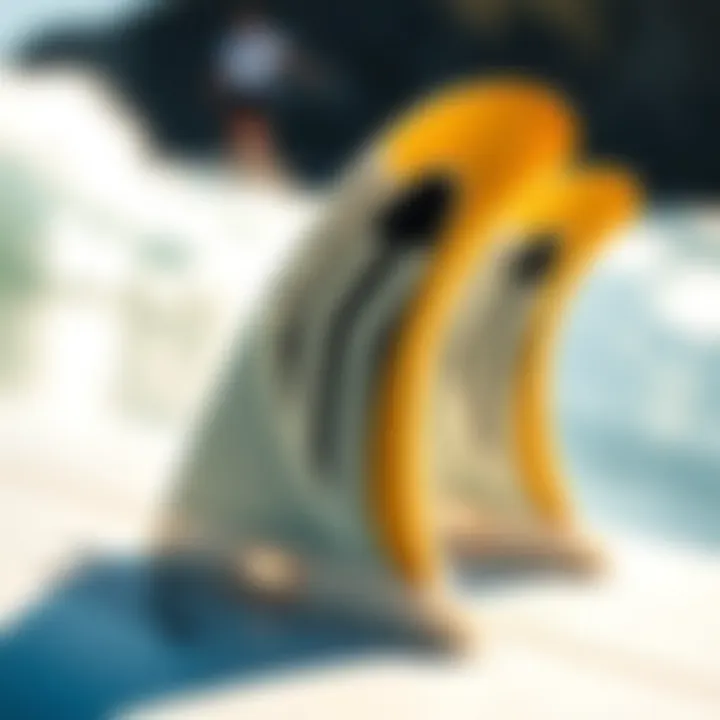
At their core, thruster fins consist of three fins: one center fin and two side fins. This tri-fin setup is engineered to offer a balance of control and responsiveness. The side fins provide lateral stability while allowing for smooth turns, whereas the center fin helps to maintain speed and direction. To grasp its function, think of thruster fins as the steering wheel of a car. Just as a well-designed steering mechanism can make all the difference in handling, the right thruster fins enhance a surfer's ability to maneuver through waves.
Key benefits of the thruster fins include:
- Enhanced Maneuverability: The configuration allows for tighter turns, critical for navigating fast-moving waves.
- Stability: The three fin setup mitigates the risk of slipping, especially when tackling choppy waters.
- Adaptability: Whether catching small waves or riding hefty swells, thruster fins can suit a myriad of surfing conditions.
History and Evolution
The journey of thruster fins is as thrilling as the sport itself. Initially, surfers predominantly relied on single or twin-fin setups. However, as surfing progressed through the late 1970s and into the 80s, the quest for improved performance led to the development of the thruster fin system. This innovation was trialed by surfing pioneers and revolutionized the way athletes interacted with waves. The integration of three fins catered to the demand for a more functional design that combined speed and agility.
The evolution didn’t stop there. Through clever engineering and advancements in materials, modern thruster fins have undergone numerous refinements over the years. Early designs were often bulky and heavy, yet today's fins are crafted from much lighter, robust materials like carbon fiber and fiberglass, allowing for enhanced performance without compromising durability.
As surfing continues to evolve, so too does the thruster fin technology, making it a topic of ongoing discussion among enthusiasts and professionals alike. With constant innovations—like smart fins that link to apps for performance analysis—the world of thruster fins is ever-changing, ensuring that surfers can continue to ride the waves with the best tools at their disposal.
"Understanding the past leads to better choices in the present, ensuring that surfers can ride the future waves better than ever before."
Hence, whether you are a novice ready to hit the surf or an adept rider keen on optimizing your craft, recognizing the history and fundamentals of thruster fins is the first step toward elevating your surfing experience.
The Anatomy of Thruster Fins
Understanding the anatomy of thruster fins is essential for surfboard performance, as it directly influences the way a surfer interacts with the waves. Different fin designs cater to various surfing styles and conditions, making it crucial to analyze the materials and shapes involved. This section dives deep into the multifaceted characteristics of thruster fins, shedding light on their material composition and the impact of size and shape variation. We’ll explore how these elements work together to enhance the overall surfing experience, providing both professional insights and practical tips.
Material Composition
The material composition of thruster fins plays a pivotal role in their performance. Factors such as durability, flexibility, and weight come into play when selecting the right fins. Here’s a closer look at the three main materials often used in crafting thruster fins, each with its unique pros and cons.
Fiberglass
Fiberglass is a prevalent choice among surfers because of its well-balanced characteristics. It boasts a key quality: strength combined with some flex, allowing for better maneuverability during rides. Fiberglass fins can withstand more pressure and impact, making them durable over time.
One unique feature of fiberglass fins is their ability to provide a softer feel when flexing, which can be beneficial for making sharper turns without compromising overall speed. However, they tend to be heavier than options such as plastic, which may affect performance for surfers needing to prioritize lightness.
Advantages:
- Durable and can withstand harsh conditions.
- Offers a balance of flexibility for turns and strength for speed.
Disadvantages:


- Heavier than some newer materials.
- Can be more expensive than basic options.
Carbon Fiber
Carbon fiber fins have gained popularity, especially among competitive surfers. The key characteristic of carbon fiber is its lightweight nature, which enables rapid acceleration and responsiveness. This material is particularly suited for higher performance scenarios where every ounce counts.
One unique feature of carbon fiber fins is their excellent stiffness, which translates to precision in maneuvering. Yet, this stiffness can also be a double-edged sword; surfers looking for a bit of flex may find carbon fiber less forgiving in certain situations.
Advantages:
- Extremely lightweight, promoting speed and agility.
- Offers precision maneuverability.
Disadvantages:
- Can be quite pricey.
- Less flexibility can result in a harsher ride.
Plastic
Plastic fins, usually marketed as a starter option for beginner surfers, have their merits too. A defining characteristic of plastic fins is their affordability; they offer an entry point into the surfing world that won't break the bank. Made from lightweight materials, they also allow for easy experimentation.
A unique feature of plastic fins is that they tend to be quite durable against dings, making them suitable for surfing in rocky or shallow areas. However, they can lack the performance finesse of fiberglass or carbon fiber, often resulting in less grip and control when carving through waves.
Advantages:
- Cost-effective, making them accessible for beginners.
- Resistant to dings and damage.
Disadvantages:
- Less responsive than fiberglass or carbon fiber.
- Durability might not hold up under heavy use.
Size and Shape Variation
Moving beyond materials, size and shape variation are vital considerations when discussing thruster fin anatomy. These design elements can significantly affect surfers' performance based on their skill levels and the surf conditions.
Tall vs. Short Fins
The height of a fin can greatly influence how it behaves in the water. Tall fins provide additional drive and grip, making them great for powerful turns and vertical maneuvers, especially in bigger waves. On the flip side, short fins offer quicker transitions and can be more maneuverable, which might suit surfers looking to perform tricks.
A unique feature with tall fins is the increased hold they offer on powerful waves; however, they might feel less responsive in weaker conditions. Short fins could allow for more freedom but may not provide the same level of stability when the surf gets serious.
Advantages of Tall Fins:
- Enhanced grip for sharp turns.
- Better suited for larger waves.
Disadvantages of Tall Fins:
- May feel sluggish in smaller surf.
Advantages of Short Fins:
- Quick maneuverability for tricks.
- Better for smaller, weaker waves.
Disadvantages of Short Fins:
- Less drive and control in powerful conditions.
Narrow vs. Wide Fins
Fin width also contributes significantly to the overall performance. Narrow fins excel in speed and are typically preferred for high-performance surfing. A narrow fin’s streamlined shape allows for less drag, promoting faster rides.
Conversely, wider fins enhance stability, which is particularly beneficial for beginners or surfers facing more challenging waves. They offer better hold and are less likely to get pushed around by wave turbulence.
Advantages of Narrow Fins:
- Less drag encourages speed.
- Suitable for high-performance turns.
Disadvantages of Narrow Fins:
- May lack stability in choppy conditions.
Advantages of Wide Fins:
- More stability for beginners and in challenging conditions.
- Better grip when carving.
Disadvantages of Wide Fins:
- Can create additional drag.
Rocker Influence
Rocker refers to the curve of the board from tip to tail, which also affects fin performance. Boards with more rocker tend to surf better in critical sections of waves, while flatter boards allow for faster straight-line speed.
The unique characteristic of a rocker design means that fin selection can also impact how the board interacts with the water. A board with a pronounced rocker may benefit more from a certain type of fin to maintain maximum speed and performance, while a flatter board might prioritize more stability with a different fin profile.
Advantages of Rocker with Thruster Fins:

- Better performance in critical sections of waves.
- Enables tight turns and rapid directional changes.
Disadvantages of Rocker:
- Can reduce straight-line speed in certain conditions.
Types of Thruster Fin Systems
Understanding the various types of thruster fin systems is crucial for surfers looking to enhance their performance on the waves. Each fin system brings its own set of characteristics. These features can significantly impact a surfboard's handling, stability, and responsiveness. Whether you’re cruising the smaller swells or tackling monstrous overhead waves, the right fin system can mean the difference between a smooth ride and a chaotic tumble.
Traditional FCS and Future FCS
The FCS (Fin Control System) has long been a staple in the surfboard community. This system offers a range of fins that can be easily interchanged, allowing surfers to customize their boards based on specific conditions or personal preferences. Traditional FCS fins tend to grant a solid grip in the water and are well-loved for their reliability.
Upgrading to the FCS II system represents a significant leap in design efficiency and ease of use. This newer system eliminates the need for screws, enabling a much simpler installation and removal process. The fins click into place, and many users appreciate the secure fit during rides. The transitional upgrade has garnered much attention as surfers look for gear that saves time and enhances performance.
Future Fin System (FUTURES)
In contrast to the FCS systems, the FUTURES fin setup has its unique flair. They come with a single tab design that works for deep fin boxes, allowing for an extremely loose, energetic feel while surfing. This system is particularly advantageous for those who love to surf aggressively, as it provides a greater range of movement. The flexibility can lead to sharper turns and rapid adjustments on the waves.
Furthermore, FUTURES fins are typically known for being very durable, often maintaining their integrity after rigorous use. They also provide many options in terms of size, shape, and material, allowing surfers to tailor their experience even further. Each fin can be swapped out seamlessly to best fit the surfing environment or personal style.
Considerations for Compatibility
When selecting a fin system, compatibility with the surfboard is paramount. Not all surfboards are built the same, and a fin designed for one system may not seamlessly integrate with another. Surfers need to consider the following:
- Fin Box Type: Check the fin box type of your surfboard before purchasing fins. It needs to match the fin system, whether it’s FCS, FCS II, or FUTURES.
- Performance Goals: Depending on your surfing style—be it stability, maneuverability, or speed—some fin systems will be better suited than others.
- Local Conditions: Surf conditions may also dictate fin choice. A fin that works well in small beach breaks might not perform the same in heavy overhead conditions.
"Choosing the right thruster fin system is not just about brand loyalty; it’s about optimizing your surfing experience based on the environment and your artistry on the board."
Remember to do careful research and trial and error with different setups. This approach will not only enhance performance but also make your time on the water more enjoyable. The right fin system could potentially unlock new surfing skills that were previously unknown.
Thruster Fin Configurations
In the realm of surfing, the configuration of your fins can drastically change how you interact with the water. Thruster fin setups have become highly regarded due to their versatile performance characteristics, but understanding the nuances between configurations is crucial. Ultimately, the right fin setup can augment your surfing experience. Here, we’ll explore the varying setups available, particularly the distinction between single and tri-fin arrangements, and dive into alternative configurations, such as quad fins.
Single vs. Tri-Fin Setups
When discussing fin configurations, the single and tri-fin setups stand out as two primary choices, each with its own distinct traits. A single fin, typically larger and located at the tail of the board, provides a smooth ride favored by traditional surfers. It excels in open water, allowing for effortless long carves and stability during mellow waves. However, this setup lacks the quick responsiveness needed for high-performance maneuvers, often leading to less aggressive turns.
On the other hand, typical tri-fin setups, found in the thruster configuration, feature a main fin at the back and two smaller side fins. This design significantly increases maneuverability and enables sharper turns. Surfers can expect enhanced grip while navigating more challenging waves. The added fins provide a balance between stability and responsiveness and contribute to faster acceleration.
Most experts find the tri-fin system to be ideal for various surf conditions, from beach breaks to point breaks.
If you’re at a crossroads in choosing between these setups, consider your style and the conditions you most often surf. A single fin might be what you’re looking for if you enjoy long, drawn-out turns on quieter days. However, if speed and agile movements float your boat, the tri-fin setup is undoubtedly the way to go.
Alternate Configurations: Quad and Others
We can't talk about fin configurations without giving a nod to quad fins and other less-common setups. Quad setups feature two fins on each side, promoting speed and flow when turning on larger waves. This configuration is particularly appealing for those looking to maintain momentum in fast, powerful conditions while still offering a good level of control. Each fin blends forces, generating lift that can be a game-changer in specific surf locales.
Beyond quads, surfboards can integrate a multitude of fin configurations, such as five-fin setups, which allow for a customizable experience, catering to various wave types and personal preferences. Although these setups add versatility, they can also complicate fin selection, making it essential to test different configurations to understand how they affect your ride.
In summary, fin configuration matters—it's not a one-size-fits-all situation. Knowing the distinct traits of single and tri-fin setups helps refine your performance while exploring other setups broadens your surf horizons. You might stumble upon something that suits you better than you ever thought possible.
"The right fin setup isn't just about what you ride, but how you ride it."
For further reading on surfboard performance and surf culture, consider exploring resources like Wikipedia or engaging with discussion on Reddit.
Crafting these configurations requires thoughtfulness and a keen understanding of yourself as a surfer. As you evolve with your board, the right fin configuration will elevate your experience in the water.
Performance Factors Affecting Thruster Fins
Understanding performance factors that influence thruster fins is crucial for any surfer looking to enhance their experience on the water. These elements not only determine how a surfboard reacts in various conditions but also cater to a surfer's ability. The ultimate goal for both novice and pro surfers is maximizing speed, maneuverability, and stability, tailored precisely to their individual needs.
Maneuverability
When considering maneuverability, thruster fins play a pivotal role. They facilitate sharp turns and quick redirects, especially in critical maneuvers. A fin's design—like its size and shape—directly impacts how easily the board can pivot. A shorter fin offers tight turning capabilities while a taller fin provides more stability during aggressive cutting movements. Consequently, a surfer who prefers performing acrobatics will benefit immensely from finer, shorter fins whereas a longboarder may find stability necessary and thus favor longer ones. In this way, understanding these subtle differences is essential for proficient surfing.
Additionally, the placement of the fins within the board significantly affects how it responds. Fins that are set further back can increase control during fast turns. By adjusting this placement, surfers can tailor their setup based on their style and preference, striking a balance that works best for their maneuvers.
Speed and Acceleration
Speed and acceleration are also vital when evaluating thruster fins. The combination of the fin's material and its hydrodynamic design contributes to how quickly a surfboard can gain momentum. For instance, the selection of carbon fiber for fins may lead to lighter components which create less drag in the water, leading to increased speed. If a surfer is looking to race down a wave, these lightweight fins would be an ideal choice.
Moreover, different fin shapes can cater to diverse types of riding. A narrow fin might slice through water more efficiently, while a wider fin can create more drag—helpful for control but potentially less effective for speed. It’s this intricate relationship between fin design and performance that every surfer should explore to achieve their desired speed on the water.
Stability in Various Conditions
Stability is a critical consideration, especially for surfers who tackle larger waves or more challenging conditions. Thruster fins are often designed to provide balance amid turbulent waters. The tri-fin setup offers enhanced stability due to its configuration; three fins work together to create a solid platform that keeps the surfer oriented and in control, even in heavy surf.
Different conditions also require different approaches. In choppy or windy conditions, a flexible fin may absorb some of the disturbance, lending more stability against rough waters. Conversely, in calm, clean surf, a stiffer fin may help maintain speed and precision. As such, a surfer must understand their local break and choose fins that reach out in both speed and stability upon encountering those varying conditions.
A well-chosen set of thruster fins can elevate a surfer's performance, making maneuverability, speed, and stability dynamically interlinked to one's success on the waves.
By examining these performance factors closely, surfers can make informed decisions when it comes to selecting their thruster fins, leading to a tailored surfing experience that meets their individual needs.
Choosing the Right Thruster Fins
Choosing the right thruster fins can make a world of difference in how a surfboard performs. It’s not just about personal preference; it’s about enhancing the overall surfing experience. Each fin setup has its nuances, which can influence everything from speed to maneuverability. By grasping what fits with individual needs and local surf conditions, surfers can truly elevate their game.
Skill Level Considerations
Understanding your skill level is essential when selecting thruster fins. The right fins can help beginners build confidence while providing the necessary support as they progress.
- Beginners might benefit from larger, more forgiving fins. This size assists in stability, helping to maintain balance during those early rides.
- Intermediate surfers often look for fins that allow for more agility. They might prefer a blend of large and medium-sized fins, which can balance stability and maneuverability.
- Advanced surfers, on the other hand, typically seek out smaller fins for heightened responsiveness. The right smaller fin set can facilitate sharp turns and quick directional changes, ideal for waves that demand high performance.
Each level of surfer should consider how their chosen fins impact their surfing style. For example, a novice might struggle with a fin setup meant for an advanced rider, potentially hindering their progression and enjoyment.
Surfing Conditions and Local Breaks
The local surf conditions play a pivotal role in fin selection. Not all fins are created to perform identically across varying wave types.
- Choppy waters, often found in beach breaks, may necessitate a larger fin to ensure that the board stays glued to the water, providing balance and control. In these conditions, fins that offer significant surface area can be a game changer.
- Steep waves often benefit from smaller, more agile fins. These allow for quick turns and explosive maneuvers that high-performance surfing demands.
- Windy days may require different fin materials, as certain compositions like carbon fiber can handle the increased pressure better than others.
Surfers should familiarize themselves with local breaks. Each wave has its personality, and understanding how it interacts with specific fin setups can mean the difference between a mediocre ride and one that gets your heart racing. It’s a dance with nature; knowing your fins and waves can lead to pure poetry.
Selecting the right fins based on skill level and surf conditions is vital. It’s akin to choosing shoes for the journey you plan to take; they should complement and enhance your experience.
In summary, the right choice in thruster fins is significant for every surfer. It’s about aligning personal skills and local surf conditions to optimize performance. Being mindful of these aspects ensures that each ride is as thrilling as it can possibly be.
Maintenance and Care of Thruster Fins
Taking care of thruster fins is not just a chore—it’s a step toward ensuring your surfboard operates at its best. Well-maintained fins can significantly impact your surfing experience, enhancing performance, extending lifespan, and providing a smoother ride. Thruster fins are crucial in dictating how your board behaves in the water, and neglecting their maintenance can lead to a range of issues from diminished performance to safety hazards. Regular attention to your fins keeps you riding high on the waves and not bottomed out in more ways than one.
Regular Inspections
The importance of consistent inspections shouldn’t be overlooked. Checking your fins frequently might seem like an extra step, but it pays dividends. Inspecting your thruster fins involves looking for cracks, chips, or any signs of wear and tear. Over time, even the smallest damage can lead to larger problems. For instance:
- Cracks can compromise the structural integrity of the fin, making it more likely to break during a critical moment in a ride.
- Chips could create turbulence, affecting the fluidity of your movements on the water.
By taking a moment to inspect your fins each time you prepare to surf, you're setting yourself up for success. It’s easier to fix minor issues now than to deal with major complications later on. A bit of diligence goes a long way. Remember, staying in shape on the surfboard starts with having sound fins.
Cleaning Techniques
Cleaning your thruster fins is an essential maintenance task, often glossed over by many surfers. With the constant exposure to saltwater, sand, and the elements, your fins can gather grime that not only affects performance but also contributes to deterioration. Various methods can help keep your fins looking sharp and functioning even sharper.
- Freshwater Rinse: After each session, a good rinse with fresh water can wash away salt and sand. It’s simple but effective. This step helps to prevent residue build-up that can create rough surfaces on your fins.
- Deep Clean: Once in a while, give your fins a thorough scrub. You can use a soft brush and mild soap to gently scrub away any stubborn stains or deposits. Be careful not to use any abrasive materials that could scratch the surface.
- Dry Properly: Once cleaned, allow them to air dry completely. This step is crucial to prevent mold or mildew from forming, especially if you're storing your board for extended periods.
Additionally, inspect screws and fittings while you're cleaning. Ensure everything’s secured tightly. A loose fin setup can lead to unexpected mishaps when carving through the waves.
"Proper care of equipment can enhance overall performance and safety when surfing."
Through regular inspections and thorough cleaning techniques, your thruster fins can stay in prime condition. This caring approach ensures your surf trips remain enjoyable and without hassle. After all, the exhilaration of riding the waves shouldn’t be marred by unexpected equipment failure.
Innovations in Fin Technology
The world of surfing is not just about riding the waves. It's also about continuously enhancing the gear that allows surfers to perform at their best. Thruster fins, an acclaimed choice among board configurations, are getting a makeover thanks to advancements in technology. These innovations are not merely a gimmick; they hold substantial significance for performance, stability, and adaptability in different conditions.
Smart Fins and Digital Integration
The introduction of smart fins into the surfing arena has revolutionized the game. These high-tech fins are equipped with sensors that gather real-time data about your surfing performance. Imagine having the ability to track your speed, turns, and even the conditions of the sea while you glide over the water. Such insights can help a surfer adjust their technique or board choice to improve overall performance.
- Data-Driven Decisions: A surfer can use the information gathered to get clear metrics about their skills, which can guide future sessions or competitions.
- Personalized Experience: Smart fins can relay information to an app, offering tailored recommendations based on individual needs—an excellent perk for surfers wanting to up their game.
- Wave Sensing: Some cutting-edge fins can detect wave movements and tailor their performance according to the surf conditions, ensuring you have optimal control.
"Embracing technology in surfing is akin to bringing a fresh pair of eyes to your performance. It’s not just about the waves, it’s about understanding them better."
Advances in Materials for Performance
Traditionally, surf fins have been constructed from solid materials such as fiberglass and plastic, but advancements in materials technology are changing that. Carbon fiber, for instance, has given rise to a new breed of fins that offer superior performance characteristics.
- Lightweight and Durable: Carbon fiber fins are often lighter than their traditional counterparts, which can enhance speed and responsiveness on the water, making them perfect for high-performance surfing.
- Flex Patterns: Manufacturers are experimenting with different flex patterns that allow surfers to have better control during maneuvers. Finding a fin that matches your surfing style can be a game changer.
- Eco-friendly Alternatives: Recent innovations even include sustainable materials that promise to reduce environmental impact while not sacrificing performance, appealing to the environmentally-conscious surfer.
The combination of digital technology and material science is changing the landscape of surfing each passing year. Surfers can now choose fins that not only elevate their performance but also align with their personal values regarding sustainability.
The dialogue around fin technology is more than just technical jargon—it's about enriching your surfing experience through knowledge and innovation. By staying abreast of these developments, surfers can make informed choices, leading to more rewarding sessions on the waves.
Epilogue: Thruster Fins and the Future of Surfing
In the realm of surfing, thruster fins have become synonymous with performance, stability, and versatility. The importance of this configuration cannot be overstated, particularly as the sport continues to evolve. Understanding the significance of thruster fins goes beyond mere appreciation of their design; it involves recognizing how these components shape the entire surfing experience. As we look towards the future, it is essential to consider the long-term trends and innovations that will guide the development of surfboards and their fin systems.
Long-term Trends
The surfing landscape is constantly changing, influenced by advancements in technology, environmental factors, and shifts in surfing culture. Here are some noteworthy trends impacting thruster fins and their adoption:
- Sustainability: As environmental concerns grow, manufacturers are increasingly looking for eco-friendly materials to produce fins. This shift might usher in biodegradable composites or recycled plastics, ultimately reducing waste and pollution in oceans and surf culture.
- Customization: More surfers are leaning toward personalized equipment. The rise in technology allows surfers to tailor their fin setups according to specific surfing conditions and personal preferences, optimizing performance.
- Integration of Smart Technology: With the advent of smart fins that track performance metrics, surfers can gain data-driven insights into their riding techniques. This information will be invaluable for improving skills in the water.
The fusion of these trends in thruster fin design could lead to surfing gear that not only enhances performance but also aligns with eco-conscious lifestyles and individual preferences.
Final Thoughts on Selection and Use
Selecting the right thruster fins is an endeavor that requires careful consideration of several factors. It goes beyond just picking a popular model. Here are a few critical points to reflect upon:
- Skill Level: Beginners might want to opt for more forgiving fin setups that provide stability, while advanced surfers may want to explore fins that allow for sharper turns and increased responsiveness.
- Wave Conditions: The local surfing environment should heavily influence fin choice. Different conditions — from small, choppy surf to large, clean waves — may necessitate varied fin specifications.
- Experimentation: Surfing is an individual sport. What works well for one surfer may not suit another. Trying out various fin shapes and materials could unlock capabilities that elevate your performance.
Choosing thruster fins should ultimately resonate with your unique surfing style and aspirations. As innovations continue to emerge, keeping an eye on the latest advancements will be essential for surfers aiming to enhance their experience on the waves.
"The surfboard is not just an object; it's an extension of the surfer itself, and fins play a monumental role in shaping that connection."